
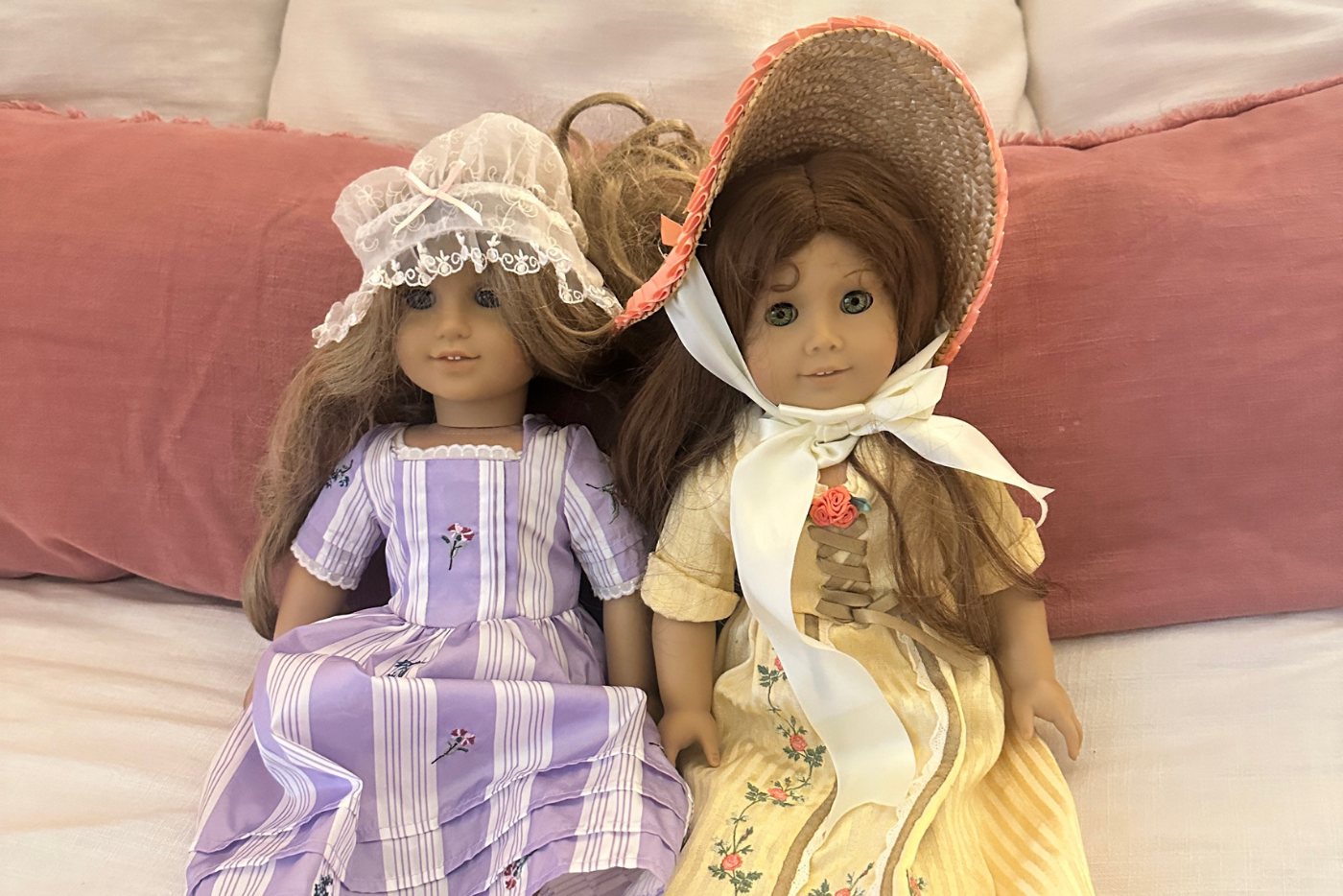
Reading Felicity Then and Now
As we approach America’s 250th anniversary, we are revisiting the American Girl: Felicity books, part of the popular American Girl Doll series that paired historical fiction with dolls representing different eras in American history. We’ll be reflecting on how these stories introduced a generation of readers to the American Revolution. Revisiting the six-book Felicity series now offers an opportunity to think more deeply about how childhood historical fiction can spark curiosity, shape understanding, and inspire lifelong engagement with history.
Drawing from our own experiences growing up with the American Girl books, this blog series brings together two museum professionals from the North Carolina Museum of History. Each of the writers first encountered the American Revolution through Felicity’s world. Now, rereading these books as adults, we are exploring how her fictional world reflects experiences unfolding in North Carolina at the same time. By pairing Felicity’s adventures with real people, places, and objects from our state’s Revolutionary past, we can better understand how those early stories shape the way we interpret history today.
Colleen
Growing up, I loved reading. (And I still enjoy it!) The American Girl series definitely fostered my hobby. I asked lots of questions while reading those books. What was the past like? How did kids like me live? Those stories inspired me to want to learn more about the past.
The Meet Felicity book presents American history from the perspective of a child in a way that young readers can understand. As a kid, I didn’t fully comprehend why Felicity wanted to own a horse so badly. It seemed like a lot of work, and horses weren’t even allowed within the city limits of my hometown. But through the words on the page, I could feel her passion to help Penny the horse escape from her abusive owner, Jiggy Nye. I could relate to that deep care and determination.
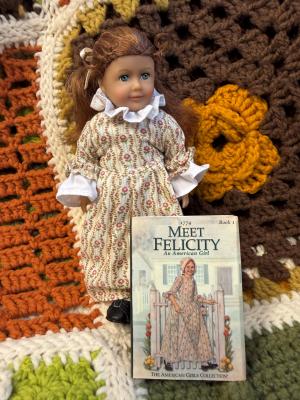
I’m excited to reread these books and explore Felicity’s world again, especially through my experience as a museum educator. How will I understand Felicity’s story now with a deeper knowledge of the colonial era and the American Revolution? What details will stand out? Whose stories will I notice in the pages, and whose stories might be missing? What artifacts from the museum’s collection can help communicate Felicity’s fictional life more fully?
When I first read Felicity’s books, I took it upon myself to learn more about the time period she lived in. I hope that rereading the series still sparks that same curiosity. More importantly, I hope it encourages me to look at the Revolutionary era with a wider lens, making connections between then and now, and between Felicity’s story and the stories preserved in the museum’s collection. This feels especially important as America’s 250th anniversary approaches.
Alexa
Felicity was my favorite American Girl doll. I still have her!
When we decided to reread the books in commemoration of America 250, I climbed into my attic and pulled her out of storage. She was still wearing her full tea outfit. As a child, I asked for Felicity’s dresses and accessories for birthdays and Christmases, and I was especially lucky to receive her horse, Penny—though Penny met an unfortunate end at the paws (and teeth) of my dog.
In second grade, I couldn’t wait for library day. I remember racing to the American Girl books, eager to return to their worlds. Reading Meet Felicity again today, as a museum professional, feels especially timely as we enter the America 250 season. Now, with an adult’s perspective, the book reveals layers of historical detail and intention that I didn’t fully grasp as a child.
The American Girl authors took great care to ground Felicity’s story in the realities of the Revolutionary era—from daily life and clothing to the tension and uncertainty of a nation on the brink of independence. I’m excited to highlight the everyday objects in the museum’s collection that help bring that world to life.
Connecting Felicity’s World to the Museum’s Collection
While Meet Felicity is a work of historical fiction, much of what appears in the book reflects real life in the 18th century. Even though relatively few objects from this period survived, the North Carolina Museum of History collection helps bring Felicity’s world into focus.
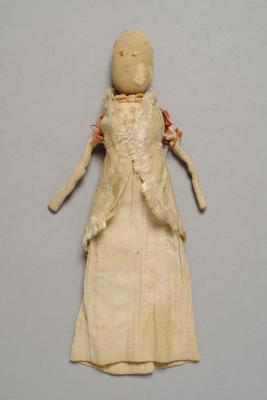
A handmade doll from the late 18th century offers one such connection. Dolls like this were more than toys. They were part of how children learned crucial skills and responsibilities, reminding us that Felicity’s imaginary play was rooted in real childhood experiences of the time.
Tea also plays a vital role in Felicity’s life. Her family are merchants who sell imported goods, including tea, and as tensions with Britain grow, deciding whether to continue selling it becomes a meaningful choice. In North Carolina, that same tension came to a head with the Edenton Resolves, likely organized in 1774 by Penelope Barker. A committed patriot, Barker rallied 51 women to sign a resolution pledging to boycott British goods in support of the nonimportation resolves passed by the NC Provincial Congress. These provincial resolves were adopted in response to the Tea Act, which granted the British East India Tea Company a monopoly in the colonies.
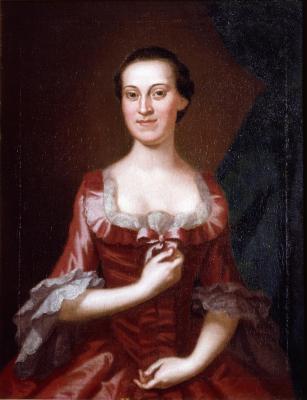
Despite being called the “Edenton Tea Party,” there was no actual party. Many women signed the document from their homes and passed it along. The text of the Resolves was published in the Virginia Gazette, bringing their action to a wider colonial audience. Needless to say, the response overseas was far less supportive: British papers mocked the signers. Like Felicity’s family, these households were navigating the day-to-day while making choices that carried real political and personal consequences.
Revisiting the Felicity series reminds us that history often begins with curiosity. As we continue, we’ll keep pairing Felicity’s world with objects and stories from North Carolina’s past, exploring how everyday lives shaped the Revolution—and how those stories still resonate today.