
As America celebrates 250 years of independence, the North Carolina Museum of History invites you to reflect on our state’s revolutionary roots and their ongoing legacies. This commemoration highlights everything from bold political acts to quiet acts of resistance. It brings forward both well-known leaders and voices too often left out of the story. Our It’s Revolutionary! initiative reveals how North Carolinians experienced the American Revolution through their choices and the opportunities and hardships they faced. Join us as we explore how our nation’s founding ideals have been lived out, challenged, and reimagined, all while asking the profound question: “When are we US?”
It’s Revolutionary! Films
This 20-film series explores the American Revolution through a combination of documentary and narrative styles. Watch as the series narrator learns from people who experienced revolutionary times firsthand! Based on primary sources, the series provides an overview of the people, places, and events of the American Revolution, along with spotlights on North Carolina specifics during this period.
Streaming now for audiences everywhere—click here to start watching today!
What makes learning about history through museums unique? The artifacts!
Museums tell the stories of people who lived in the past in multiple ways. One way to tell these stories is by using artifacts—things that people made and used, things they held in their hands, or things that held great importance to them. Currently, we’re remembering a time of great importance for our nation: our 250th birthday. But 1776 was a long time ago, and few things still survive from back then. So we’re showing off these special objects that played a role in making our country and state.
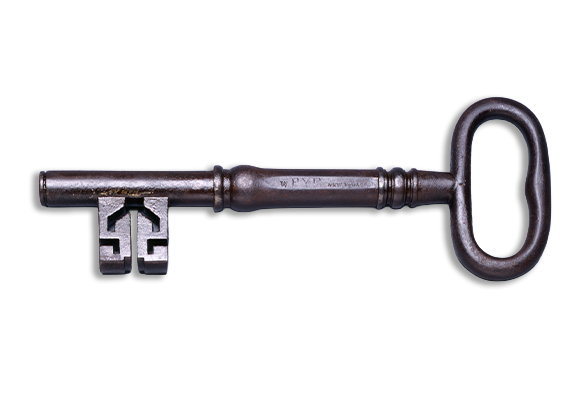
Why is this a revolutionary artifact? It may not look like much, but this object held the key (wink, wink) to making North Carolina “First in Freedom.” It opened the door to the building in Halifax where the Fourth Provincial Congress approved the Halifax Resolves on April 12, 1776. That document instructed the colony’s delegates to the Continental Congress in Philadelphia to vote for independence—making us the first colony to officially call for freedom from Great Britain.
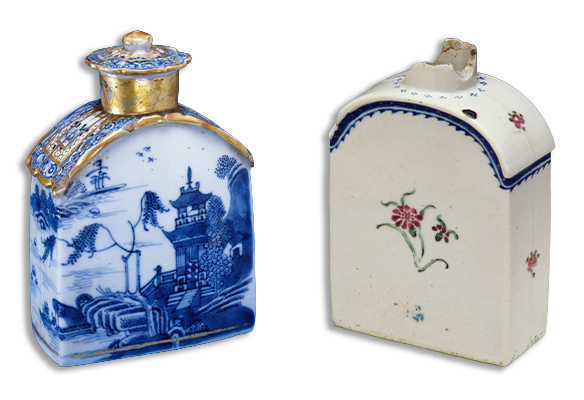
What are these objects and what do they have to do with the Edenton Tea Party? Historians don’t believe that the 51 women who signed the 1774 Edenton Resolves gathered (or held a party) for the signing. But their pledge not to buy British tea and other goods was one of the earliest organized political actions by American women. These tea caddies—special containers used to store loose tea leaves—descended in the families of women (Penelope Barker, white caddy, and Mary and Lydia Bonner, blue caddy) who signed the Resolves.
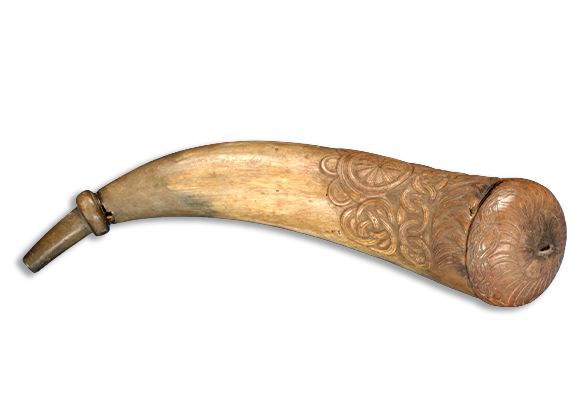
Revolutionary War soldiers had to carry gunpowder for their muskets in a separate container to keep it safe, dry, and ready to load when needed. Many soldiers used a “powder horn” for this—and most of these were made from actual animal horns. (This example is from a cow.) Joel Lane—who sold the land used to found our state capital, Raleigh—carried this hand-carved powder horn during the war.
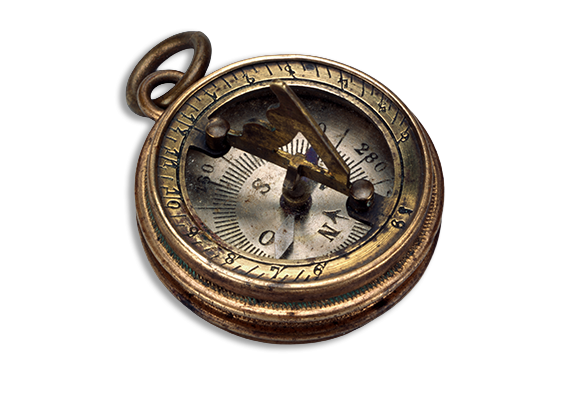
Do you know what this object is? It’s shaped like an old-fashioned pocket watch, but it is an even older way of telling time. When the compass is pointing to true north, the user lifts the foldable sundial (called a gnomon) upright and lines it up with the compass needle. Then the sun casts a shadow from that standing piece across the correct hour. (Numbers for the hours are engraved along the outer rim.) French naval officer Gabriel du Brutz, who later settled in Fayetteville, owned this sundial and had it with him during the Battle of Yorktown in 1781.
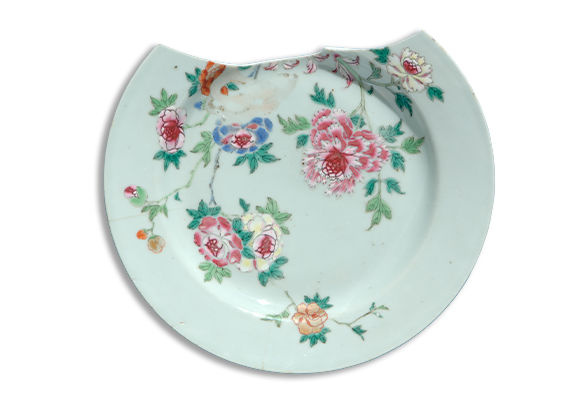
What does a broken plate have to do with a Revolutionary War battle? British officers often traveled and camped in relative luxury, with nice furniture—and even fancy dishes! Colonel Joseph McDowell from North Carolina reportedly took this plate from British major Patrick Ferguson’s baggage after Ferguson was killed during the Battle of Kings Mountain in 1780.
Teaching North Carolina’s Colonial and American Revolution Stories
Our K–12 programs and resources are designed to help educators bring North Carolina’s history—including vital connections to the American Revolution—into the classroom. Explore lesson plans, videos, primary source materials, and interactive activities that make history engaging and meaningful for students of all ages. These tools highlight the people, places, and events that shaped our state’s role during this significant period. Our resources offer connections through documents and artifacts. Whether you’re introducing the American Revolution or diving deeper into local history, our resources provide everything you need to inspire learning.
Educator Notebooks
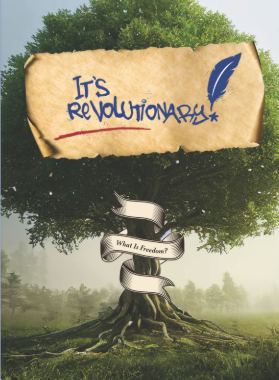
Built with engagement in mind, our It’s Revolutionary! Educator Notebooks are flexible tools for helping students explore the people, places, and ideas that shaped North Carolina during the American Revolution.
The notebooks come in three editions—one for 4th‑grade learners, one for 8th‑grade students, and one for high school classrooms, which also includes an additional APUSH section for advanced coursework. Inside each notebook, you’ll find lesson plans, background information for educators, primary source highlights, slide decks, narrative film links, and Tar Heel Junior Historian Magazine articles.
It's Revolutionary! Poster
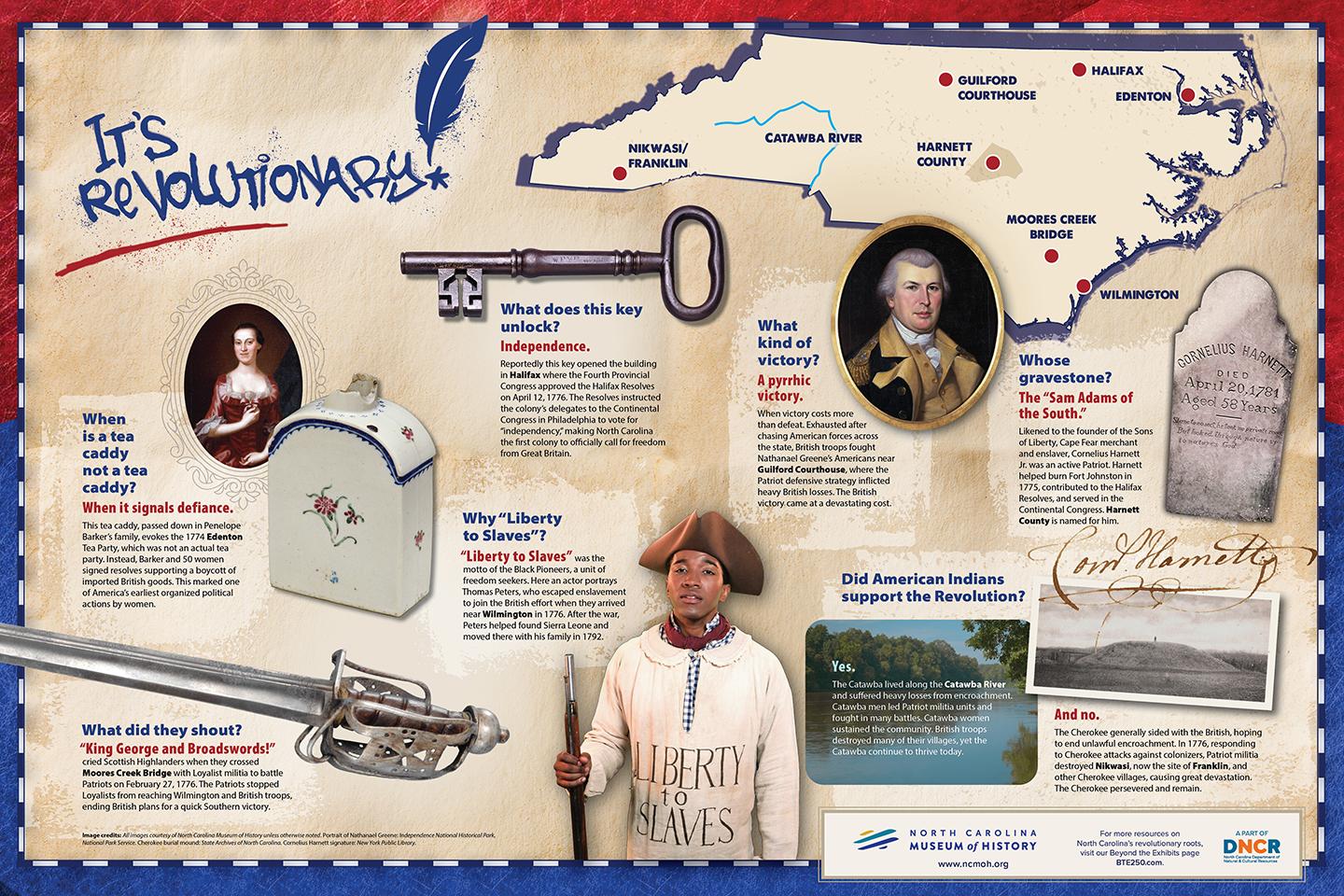
Connect the people, places, and stuff of North Carolina’s revolutionary past to their locations across the state with this It’s Revolutionary! poster. Click the photo below for an accessible file.

Carolina Cover-to-Cover
Created with K–3 students and educators in mind, our Carolina Cover-to-Cover story guides seamlessly connect ELA and Social Studies. Story guides provide educators with background information, primary sources, vocabulary, discussion questions, and an activity to use in conjunction with each book.
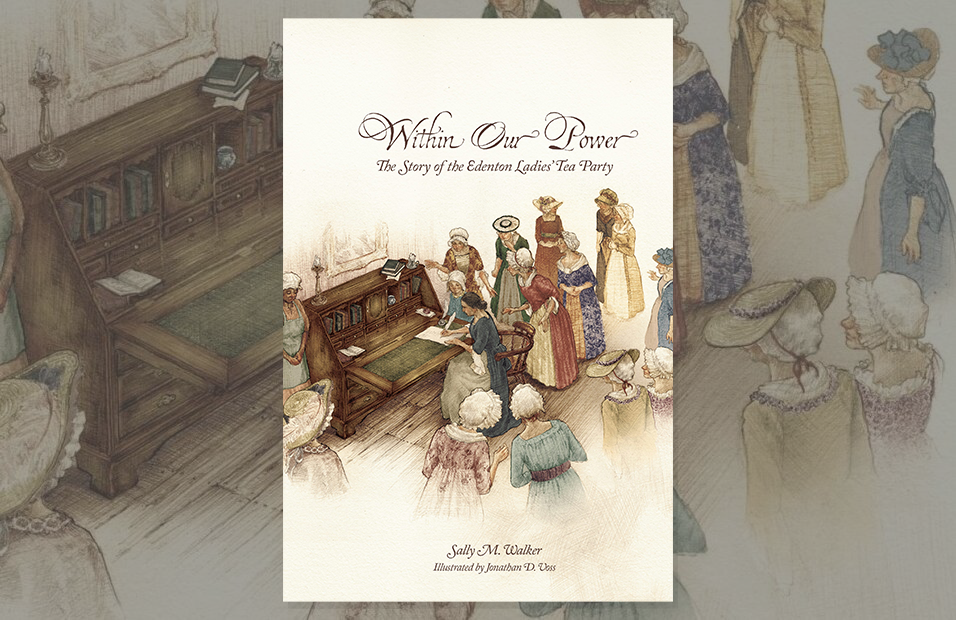
Within Our Power: The Story of the Edenton Ladies’ Tea Party shares the true story of some women in colonial North Carolina who chose to openly support the Patriot cause—very unusual for the time!
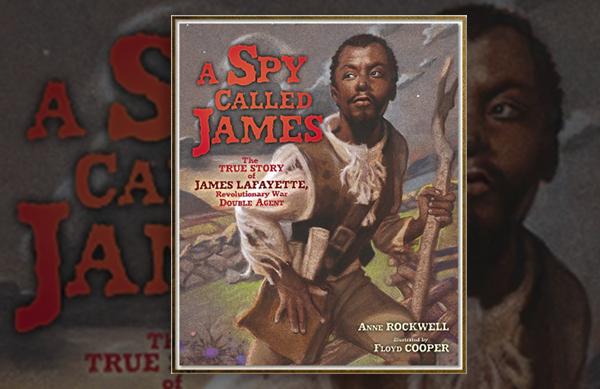
A Spy Called James tells the remarkable true story of an enslaved man who posed as a British guide, gathered crucial intelligence for the Americans, and helped secure victory at Yorktown—only to have to fight for his own freedom afterward.
Tar Heel Junior Historian Magazine
Perfect for both classrooms and history enthusiasts, order your own copy or click here to learn more about the Tar Heel Junior Historian Association.

It’s Revolutionary! Prelude to War explores the people and events that set the stage for the American Revolution in North Carolina. This issue of Tar Heel Junior Historian brings to life the tensions, debates, and everyday experiences that shaped the colony before independence. Students will learn about key figures, local protests, and the growing spirit of resistance that connected North Carolina to the larger Patriot cause. Perfect for both classrooms and history enthusiasts, order your own copy or click here to learn more about the Tar Heel Junior Historian Association.

It’s Revolutionary! Choices in Conflict delves into the complex decisions, divided loyalties, and dramatic events that shaped the American Revolution—especially in North Carolina. This issue of Tar Heel Junior Historian brings to life the everyday people who found themselves caught between Patriot and Loyalist causes, highlighting the pressures, hopes, and risks that influenced their choices. Students will discover key figures, pivotal local moments, and the difficult paths communities navigated as the colonies moved toward independence.
Video Resources
Encourage students to act as detectives, analyzing artifacts and clues, in this on-demand History Mystery Distance Learning Class!
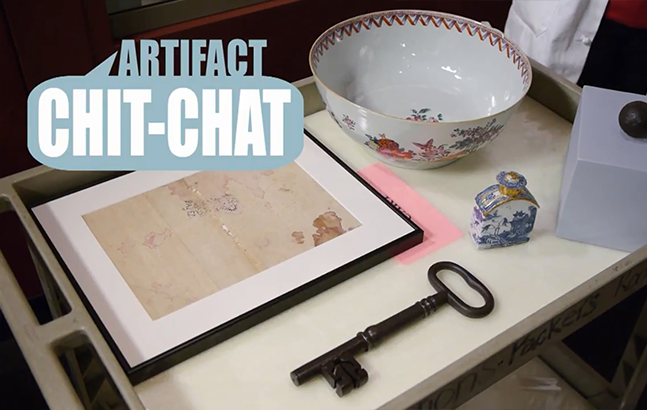
A key, a cannonball, a tea caddy . . . learn about North Carolina's role in the American Revolution through the, um, eyes of some . . . uh, things that were actually there in this short narrative film.

We are grateful to the North Carolina Society of the Cincinnati for their support of the North Carolina Museum of History Foundation for It’s Revolutionary!
Witnesses to Revolution: North Carolina and the War for Independence
Discover North Carolina's pivotal role in America's founding story this summer at Wilson Library.
The North Carolina Museum of History and UNC–Chapel Hill's Wilson Special Collections Library invite you to explore Witnesses to Revolution: North Carolina and the War for Independence, an exhibition marking the 250th anniversary of the signing of the Declaration of Independence.
Witness how North Carolinians shaped the American Revolution through archival treasures from the era. From the voices of patriots to the documents that defined a new nation, this exhibition reveals the Tar Heel State's unique contributions to America's founding.
Whether you're a student, history enthusiast, or curious visitor, Witnesses to Revolution offers a fresh perspective on the people, principles, and pivotal moments that forged our nation, right here in North Carolina.
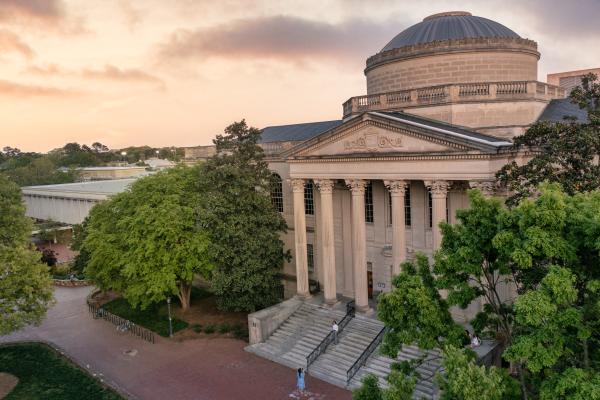
Visit Wilson Library, UNC–Chapel Hill | June–December 2026
Free and open to the public
Presented by the North Carolina Museum of History in partnership with the University of North Carolina at Chapel Hill. Part of America 250 NC. America 250 NC is North Carolina’s commemoration of the United States’ 250th anniversary and is led by the NC Department of Natural and Cultural Resources. For more information about America 250 NC, visit america250.nc.gov.
Collecting Carolina Cards
Introduce your students to North Carolina’s role in the American Revolution with this special series of Collecting Carolina Cards, free sets of downloadable trading cards. Each card features a person, place, or event that helps paint a clearer picture of the era. We hope educators enjoy this flexible tool to support classroom discussion or short activities.

America 250 NC
North Carolina will commemorate the 250th anniversary of the Revolution with wide-ranging activities across a multi-year commemoration beginning on April 12, 2024. Additional events will continue through 2033 to reflect our state’s Revolutionary history. Our activities will include educational outreach, online resources, exhibits across the state, and a wide variety of commemorative events. The activities listed here are subject to change, and additional programs and products may be added as the commemoration grows. The commemoration’s goal is to empower North Carolinians to engage with 250 years of our rich, diverse history.