
What does it truly mean for North Carolina to be “First in Freedom”? How did this motto come to define the state’s identity?
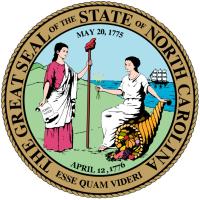
The phrase appears on North Carolina license plates. The date April 12, 1776, appears on the state flag and the state seal. Both point back to the same moment. On that day, North Carolina’s Fourth Provincial Congress met in Halifax and authorized delegates to the Continental Congress to support independence from Great Britain. That decision made North Carolina the first colony to formally call for independence.
The resolves did not come out of a single meeting. They followed months of discussion at the county level across the colony. When delegates gathered, all 83 voted in favor. Copies were sent to Philadelphia, Pennsylvania. There North Carolina’s representatives were already meeting in the Continental Congress. A few months later, that group would approve the Declaration of Independence.
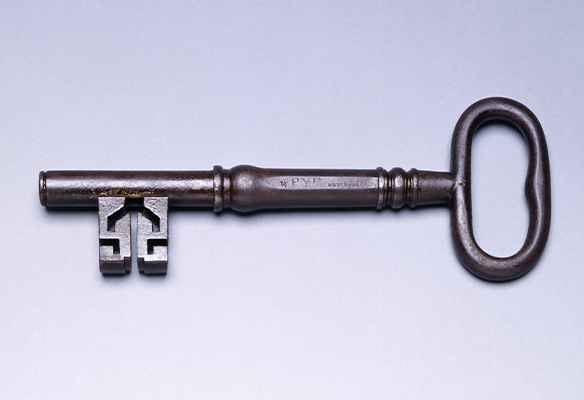
The Provincial Congress met in Halifax. Nearly 250 years later, the city is also where that history is being revisited. Earl Ijames, curator of African American history and agriculture at the North Carolina Museum of History, has been working at Historic Halifax as part of America 250 planning and preservation efforts. His role has included research, interpretation, and helping guide efforts tied to the commemoration.
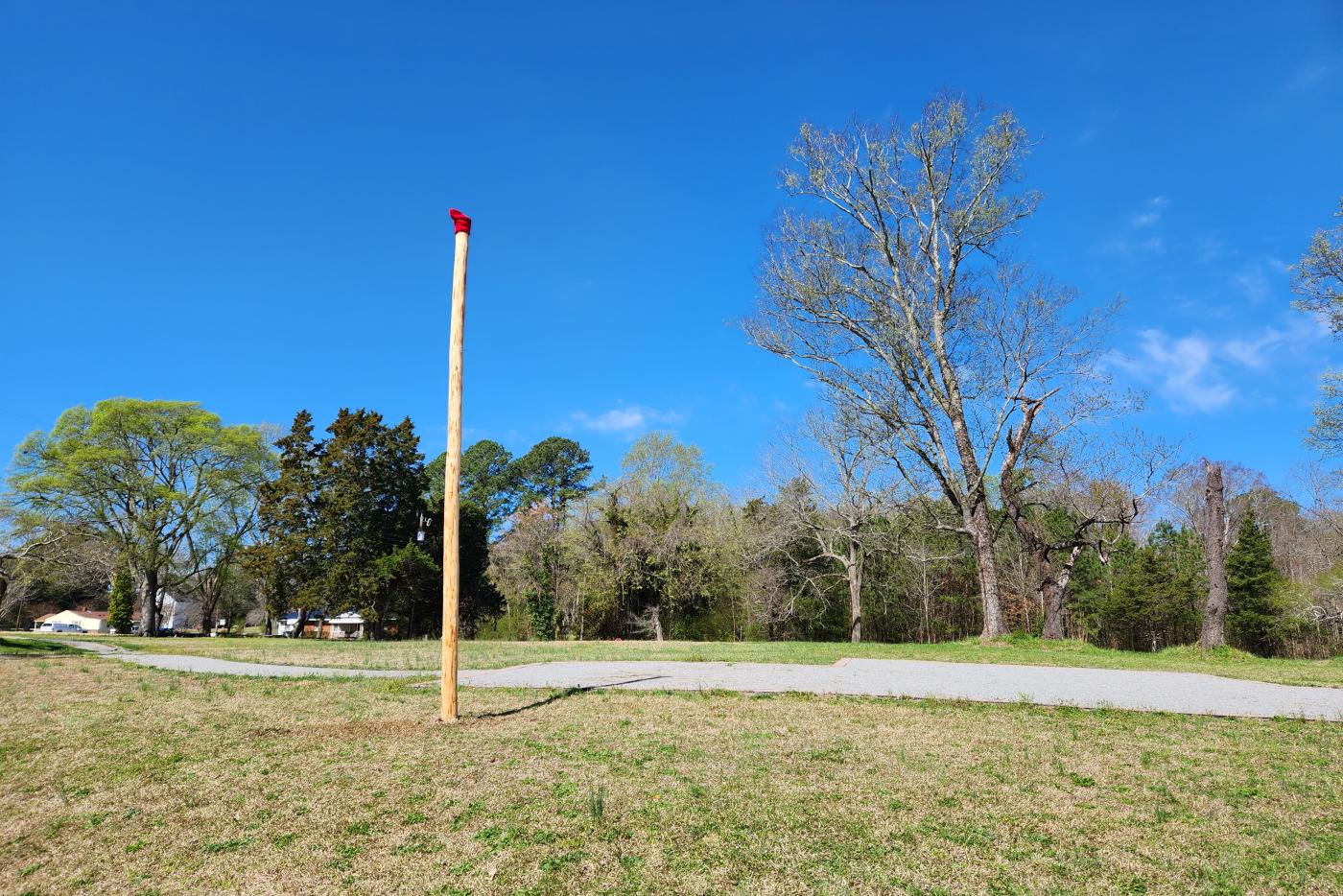
Part of these restoration efforts include supplying and helping with the installation of a reproduction liberty pole. In 1776 a liberty pole was erected in Halifax as part of the convention surrounding the resolves. Topped with a red cap, the pole signaled a break from British rule and a commitment to independence.
To honor that tradition, organizers chose to recreate the liberty pole as part of the anniversary celebration. Ijames offered a longleaf pine from his own farm in Johnston County for the project. He selected and cut a suitable tree. It matched what would have been used historically: a straight pine, about 20 feet long, with a tight growth pattern.
Longleaf forests once covered much of the eastern part of the state and supported the naval stores industry, which produced tar, pitch, and turpentine for shipbuilding. That industry shaped the state’s economy.
The tree was delivered to Halifax in early March 2026. From there, preservation carpenter Andrew Bergeron hewed it by hand using traditional methods. Four feet of the pole were set into the ground, leaving approximately 16 feet above ground, in accordance with historical proportions. The pole was installed in early March ahead of the anniversary events.
Nearly 250 years after April 12, 1776, the Halifax Resolves remain a defining moment for North Carolina. As the nation approaches its 250th anniversary, the work in Halifax highlights the lasting impact of independence and liberty.