
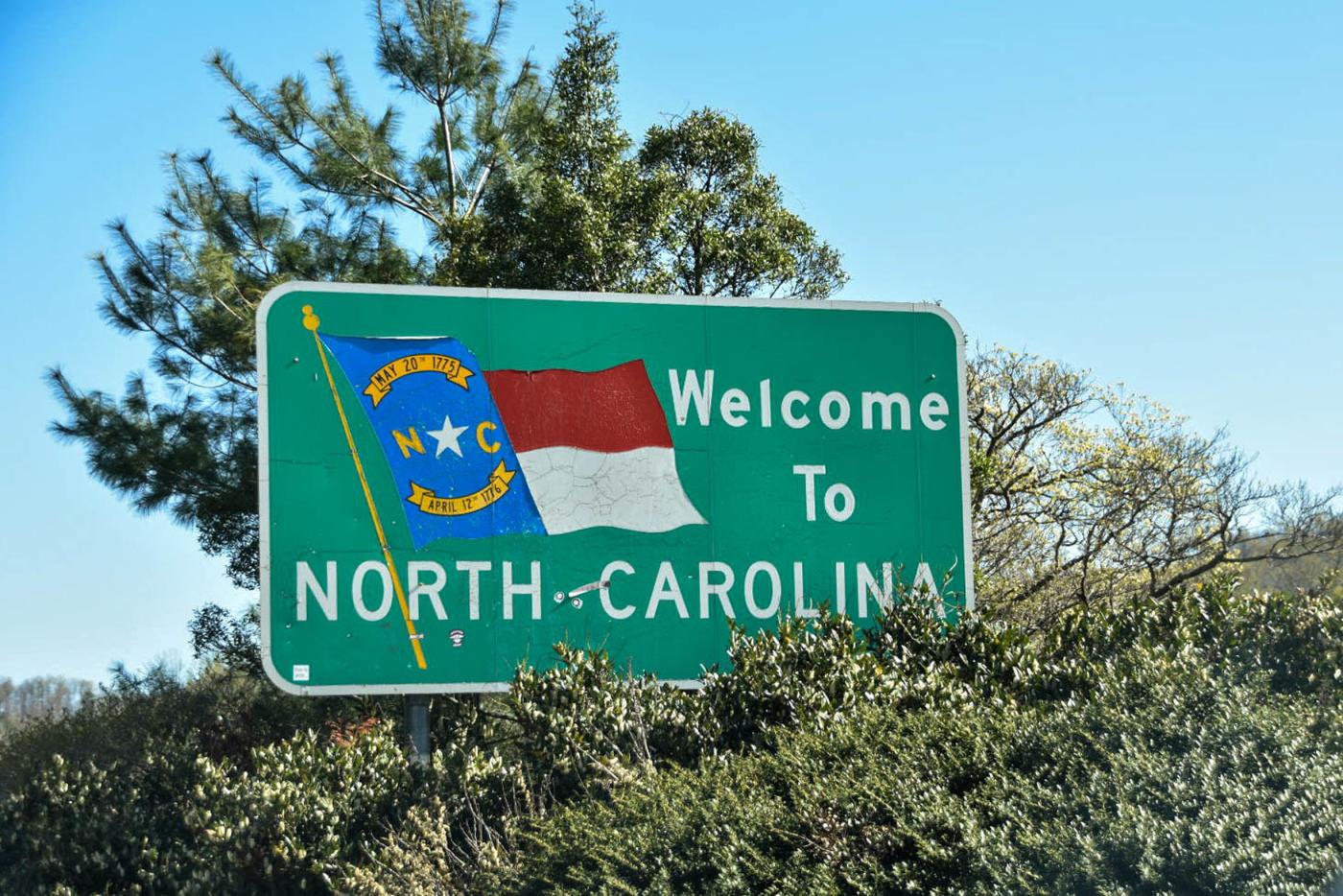
The first counties in North Carolina were established in the 1600s when colonists arrived on our shores. As the European population grew, the need for localized governments led to the creation of more counties. The last two counties were established in 1911, making the count an even 100. The names of our counties are as varied and unique as the people of North Carolina.
This 10-part series is a quick history behind the name origins of our counties in alphabetical order. All the previous entries can all be found on the North Carolina Museum of History blog page.
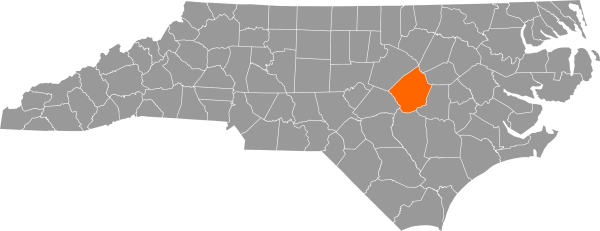
Johnston County was formed in 1746 from part of Craven County. It was named for Royal Governor Gabriel Johnston (1698–1752), the second royal governor of North Carolina. Bentonville Battlefield, site of the last major battle of the Civil War, is near present-day Four Oaks. The Division of State History Museums’ newest regional museum, the Tobacco Farm Life Museum, is also in Johnston County. It opened in 1986 and was acquired by the state in 2024.
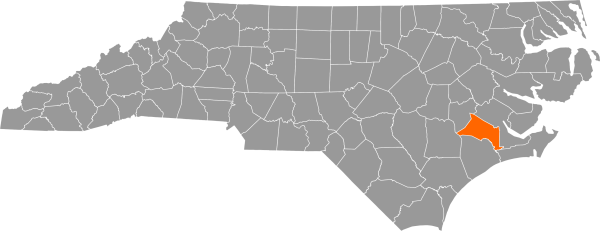
Jones County was formed in 1779, also from Craven County. It is named for Willie Jones (1741–1801), a wealthy plantation owner from Halifax. Jones and his fellow Anti-Federalists opposed ratifying the Constitution without a Bill of Rights. Jones County is small, with three incorporated towns and a population of fewer than 10,000 people. There are many historic homes to visit, and part of the Croatan National Forest sits in the county.
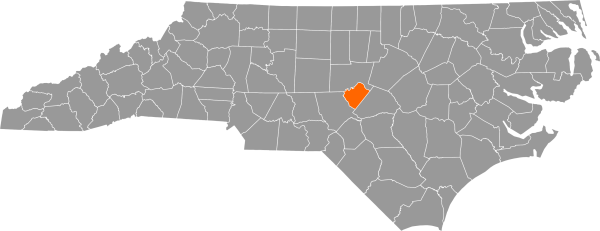
Lee County was formed in 1907 from parts of Moore and Chatham Counties. It was named for Confederate General Robert E. Lee (1807–1870), who led the Confederate Army of Northern Virginia from 1862 until their surrender in 1865. One of the oldest structures in Lee County is the Endor Iron Furnace. The 35-foot-tall smelting furnace was in use from 1862. It provided iron to the Confederacy and operated on a smaller scale until 1896. Today the structure and its surrounding acreage is owned by the Department of Natural and Cultural Resources.
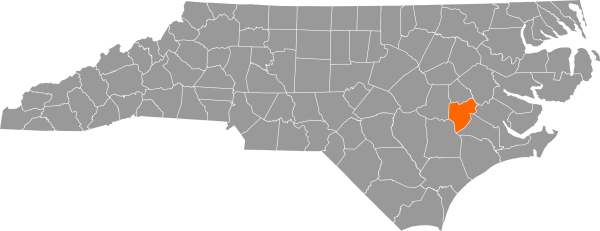
Lenoir County was charted in 1791. The land was part of the now abolished Dobbs County. The county is named for William Lenoir (1751–1839), a Revolutionary War officer and an original trustee of the University of North Carolina. Two State Historic Sites are in Kinson, the county seat. The CSS Neuse Civil War Museum houses the remains of the Confederate ironclad gunboat CSS Neuse and showcases the history of Lenoir County. The Governor Richard Caswell Memorial site celebrates the life of the first governor of the independent state of North Carolina.
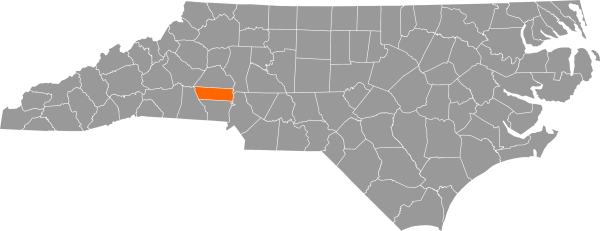
Lincoln County was formed in 1779 from part of the now-abolished Tryon County. It is named for General Benjamin Lincoln (1733–1810), who fought as George Washington’s second in command and accepted the British surrender at Yorktown in 1781. The Revolutionary War Battle of Ramsour’s Mill was fought in Lincolnton, the county seat, in June 1780. The battle was fought by militia who fought against their family members and neighbors. The outnumbered Patriot militia won a surprise victory and suppressed support for the Loyalists.
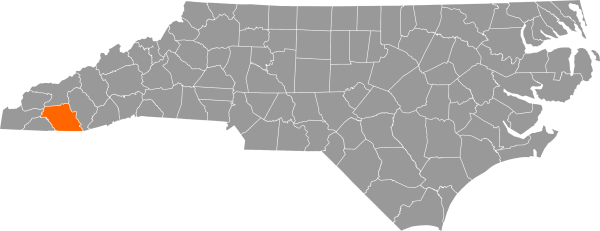
Macon County was formed in 1828 from part of Haywood County. It is named for Nathaniel Macon (1757/8–1837), who served as a US senator and as Speaker of the House of Representatives. The Nantahala National Forest takes up almost half of this mountainous county. Part of the Appalachian Trail runs through this area, making it a popular outdoor destination. The county seat, Franklin, has a rich history of mining rubies and sapphires. There are still many mines open for people to visit.
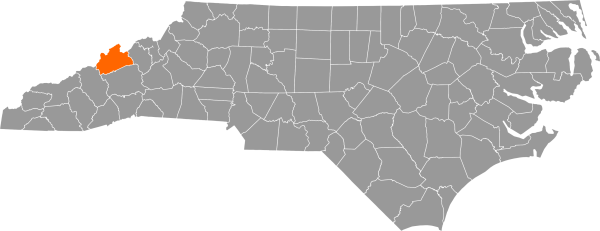
Madison County was formed in 1851 out of Yancey and Buncombe Counties. It is named for President James Madison (1751–1836). Like Macon County, Madison County is known for outdoor activities. Tourists can whitewater raft on the French Broad River, soak in natural mineral waters in Hot Springs, or hike on the Appalachian Trail.
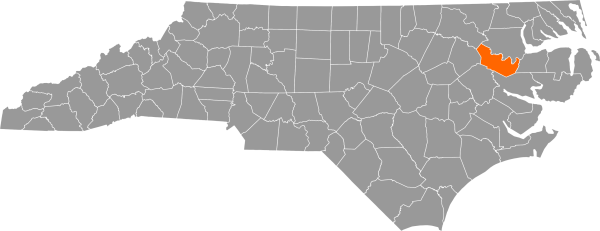
Martin County was formed from Halifax and Tyrell Counties in 1774. It is named for Royal Governor Josiah Martin (1737–1786), the last royal governor of North Carolina. Martin County is home to Fort Branch Civil War Site at Rainbow Bluff, near Hamilton. The site was a Confederate earthen fort that provided protection during the construction of the ironclad CSS Albemarle. Fort Branch holds a battle re-enactment every year on the first weekend in November. Volunteers portray the 1862 defense of the Roanoke River by Confederate forces against Union forces.
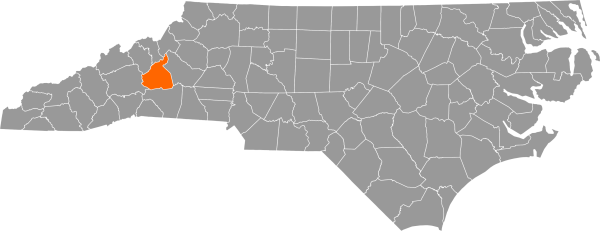
McDowell County was formed in 1842 out of Rutherford and Burke Counties. It is named for Joseph “Pleasant Gardens Joe” McDowell (1758–1795), who fought in the Revolutionary War at the Battle of Kings Mountain. Later, he became a state legislator. McDowell’s cousin was also named Joseph McDowell and fought at the Battle of King’s Mountain. To differentiate between the two, they’re known as “Pleasant Gardens Joe” and “Quaker Meadows Joe.” McDowell County is known as the “Gateway to the Mountains” and is home to the Division of State History Museums’ regional Mountain Gateway Museum.
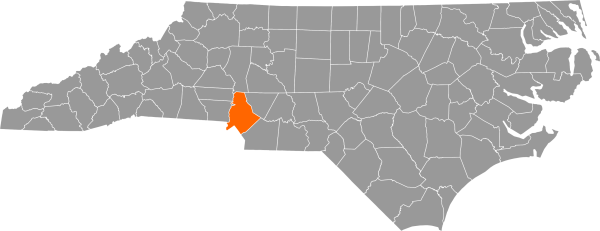
Mecklenburg County was created in 1762 from part of Anson County. After Dare County, this is the second of three North Carolina counties honoring a woman. The county was named for Queen Charlotte of Mecklenburg-Strelitz, wife of King George III. Television fans would recognize her from the historical fiction series, Bridgerton. The state’s largest city, Charlotte, is in Mecklenburg County. The first NASCAR Strictly Stock (currently the Cup Series) race occurred at the Charlotte Fairgrounds Speedway in 1949. The NASCAR Hall of Fame is also located in Mecklenburg County.
In the next part of Naming North Carolina, we’ll discuss counties named for a mountaineering geologist, a royal family, and a US president.
Sources: