
The first counties in North Carolina were established in the 1600s when colonists arrived on our shores. As the European population grew, the need for localized governments led to the creation of more counties. The last two counties were established in 1911, making the count an even 100. The names of our counties are as varied and unique as the people of North Carolina.
This 10-part series is a quick history behind the name origins of our counties in alphabetical order. All the previous entries can all be found on the North Carolina Museum of History blog page.
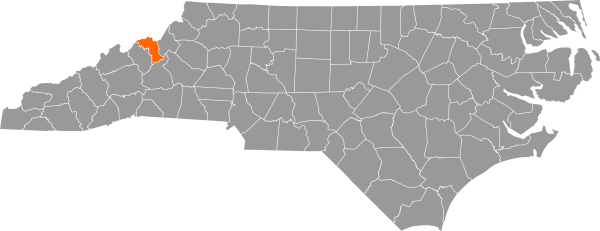
Mitchell County was created in 1861 from five of the surrounding counties: Yancey, Watauga, Caldwell, Burke, and McDowell. The county is named for Elisha Mitchell (1793–1857), an explorer, geologist, and professor at the University of North Carolina. Mitchell died on a second expedition to measure the highest peak in North Carolina that now bears his name. A large portion of Mitchell County is covered by the Pisgah National Forest. Mitchell County is the home of one of America’s oldest handicraft schools, Penland School of Craft. It was founded in 1929 and still runs today.
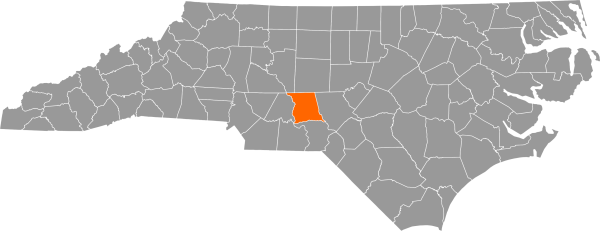
Montgomery County was formed in 1779 from part of Anson County. It is named for Brigadier General Richard Mongomery (1738–1775), who fought and died in the Battle of Quebec during the Revolutionary War. The majority of the Uwharrie National Forest is in Montgomery County. The county is also the location of Town Creek Indian Mound, an important archaeological site that explores the culture of the people who lived here many centuries ago. The location was designated as one of the first North Carolina Historic Sites when the program was established in the 1950s.
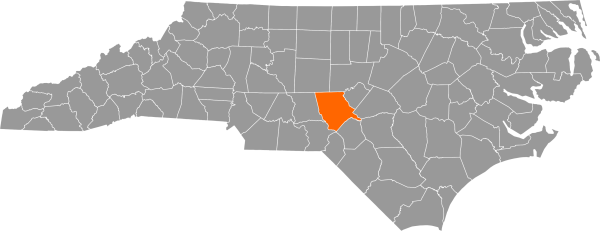
Moore County was created in 1784 from part of Cumberland County. It is named for Alfred Moore (1755–1810), a captain in the First North Carolina Continental Regiment during the Revolutionary War. Moore was also a lawyer and was appointed to the US Supreme Court by President John Adams. Today Pinehurst is a favorite destination for golfers from around the world. The PGA U.S. Open and the U.S. Women’s Open have both been held in Pinehurst, and both will return in 2029.
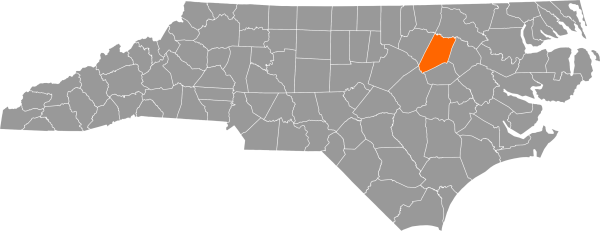
Nash County was created in 1777 from part of Edgecombe County. It is named for Brigadier General Francis Nash (1742–1777), who fought in the Revolutionary War and died at the Battle of Germantown. Nash County is one of the top sweet potato producing counties in the state. Other agricultural products to come out of the county include tobacco, cucumbers, soybeans, cotton, cattle, and poultry.
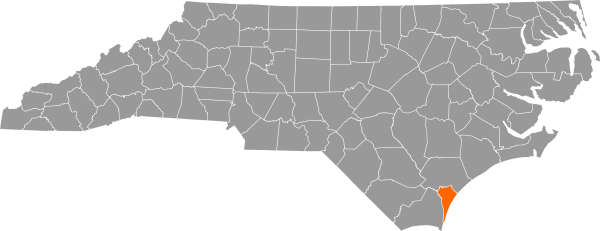
New Hanover County was formed in 1729 from Craven County. It is named for the House of Hanover, to which King George I belonged. New Hanover County is the second smallest county in area but ranks around the twelfth largest population. The county seat is the popular coastal town of Wilmington. The WWII-era Battleship North Carolina has been moored near downtown Wilmington since 1961. It is a North Carolina Historic Site and has the designation of a National Historic Landmark.
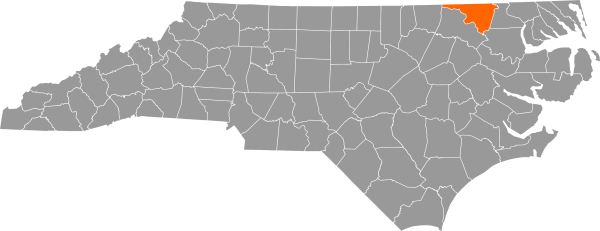
Northampton County was formed in 1741 from part of Bertie County. It is named for James Compton, Earl of Northampton (1687–1754). Northampton County is home to Gaston Lake and Roanoke Rapids Lake, both popular recreation and fishing areas. Camassia Slopes Preserve is a unique botanical sanctuary in Northampton County. The unusual soil allows over two dozen rare and endangered flower species to grow, and the preserve is home to many migrating birds.
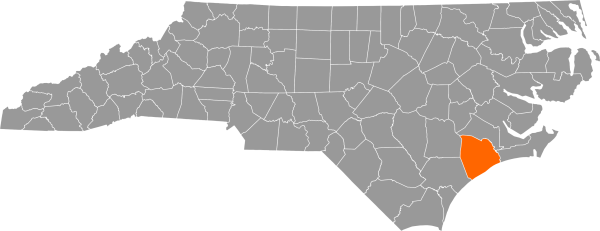
Onslow County was created in 1734 and named for Arthur Onslow (1691–1768), Speaker of the British House of Commons. Marine Corps Base Camp Lejeune and Marine Corps Air Station New River are both located in Onslow County. Marines, sailors, and Coast Guardsmen at the two facilities take part in amphibious operations, aircrew flight training, and work in urban terrain training facilities. The base covers approximately 156,000 acres and more than 43,000 sailors and marines are stationed there.
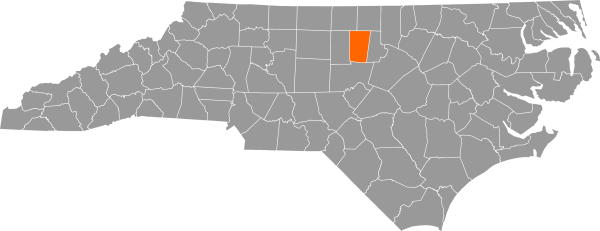
Orange County was formed in 1752 from Bladen, Granville, and Johnston Counties. It was likely named for William V of Orange (1748–1806), grandson of the English King George II, who was monarch at the time. In 1788 delegates met in Hillsborough to debate the newly proposed U.S. Constitution. They chose not to ratify the document until a Bill of Rights was added. Today, the University of North Carolina at Chapel Hill is a prominent part of Orange County. The university was charted in 1789 and was the nation’s first public university to admit undergraduates.
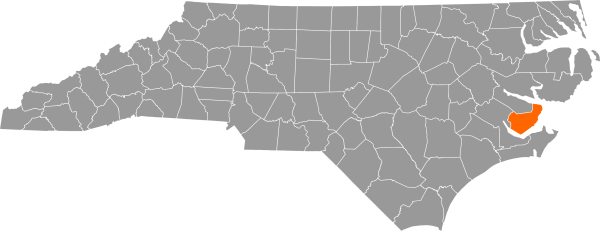
Pamlico County was established in 1872 and created from parts of Craven and Beaufort Counties. It is named for the Pamlico Sound, which in turn shared a name with an early Algonquian-speaking Indigenous people who had lived in the area. Screenwriter and producer Kevin Williamson lived in Pamlico County as a teenager. He created the television series, Dawson’s Creek, drawing from his experiences living in the coastal county.
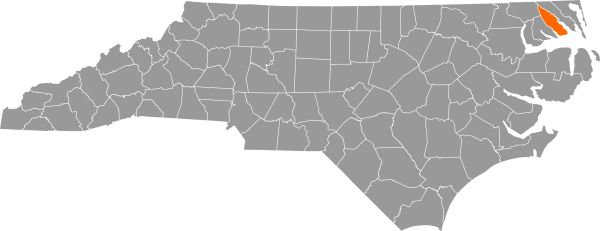
Pasquotank County was formed in 1681 as the Pasquotank Precinct of Albemarle County. It’s named for the Pasquotank Indians, a word meaning “where the current divides or forks.” The Pasquotank were an Algonquian-speaking tribe that was part of a wider group known as the Weapemeoc. Elizabeth City, the county seat, sits along the banks of the Pasquotank River and is a major stop on the Intracoastal Waterway. Elizabeth City is also home to the Museum of the Albemarle, a North Carolina Museum of History regional museum.
Sources: