
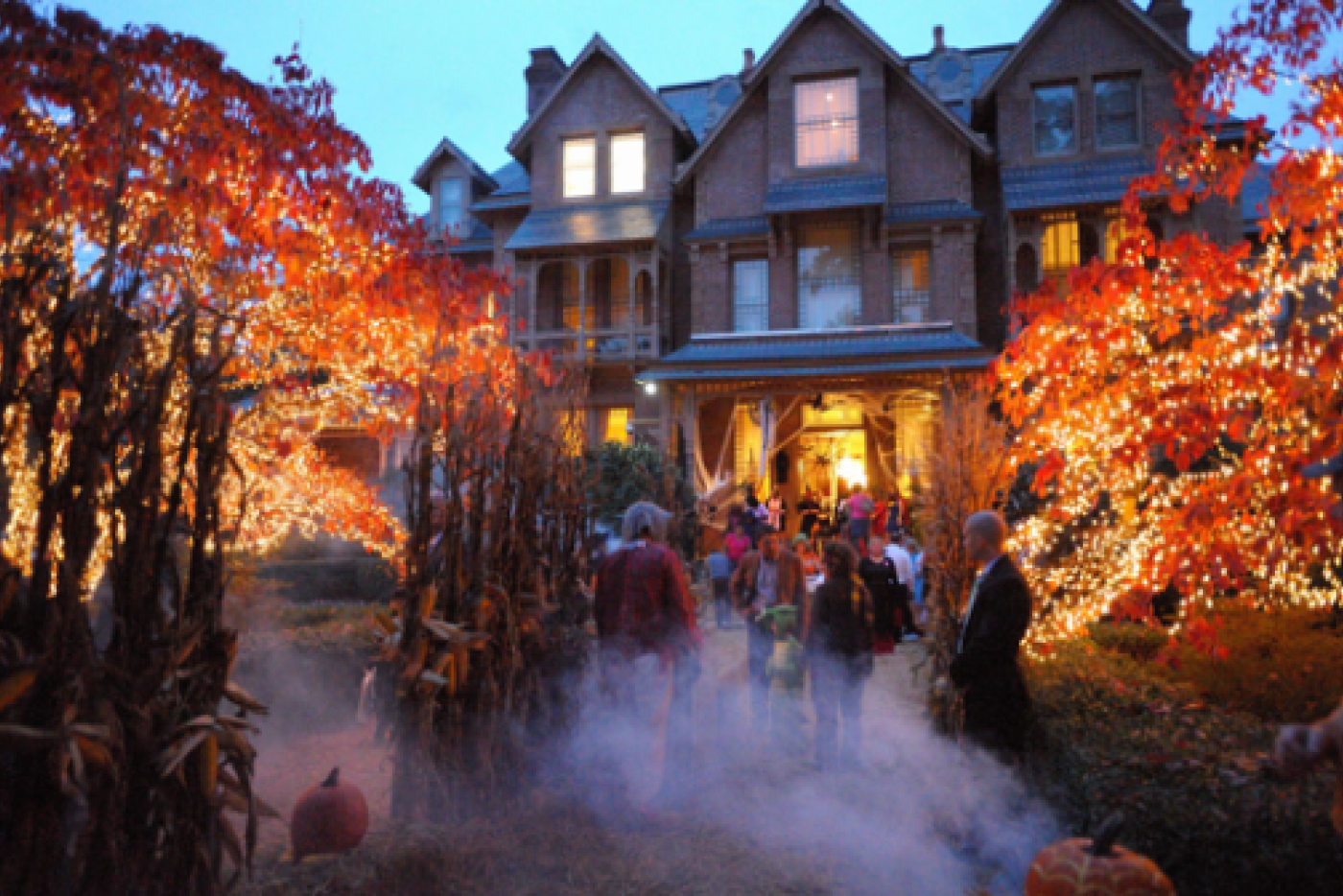
As autumn continues, bringing cooler temperatures and copper-hued leaves to the Carolinas, many of us put on cozy sweaters and sip pumpkin spice lattes. But fall brings more than seasonal comforts. It also brings the spookiest night of the year: Halloween.
You probably associate Halloween with clever costumes and free candy. It’s also a holiday with deep roots, strange superstitions, and surprising facts that are often overlooked. Let’s explore the history behind some Halloween traditions. Be warned. Many of them are far older and much darker than you realize.
Let’s begin with the origins of the holiday itself.
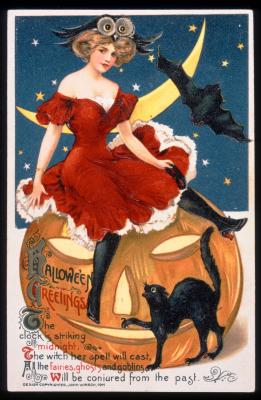
Halloween’s roots trace back over 2,000 years to the Celtic festival of Samhain (pronounced “sow-when” or “saw-win”). The holiday marks the transition from the warmer days of summer to the cooler nights of winter. While we don’t know all the details of Samhain celebrations, they almost certainly included gathering together, holding feasts, and lighting bonfires. Sound familiar?
The term Halloween came into use during the medieval period. In the ninth century, the Catholic Church moved All Saint’s Day from May 13 to November 1. This feast day honors saints who have reached heaven. With the calendar change, the day before—October 31—became known as All Hallow’s Eve or Halloween.
The Church likely orchestrated the calendar change hoping the Christian holiday would replace the pagan festival of Samhain. But the shift didn’t eliminate all of the Celtic traditions. Samhain rituals blended with Christian practices, creating many aspects of the modern Halloween celebration.
Why do we wear costumes on Halloween?
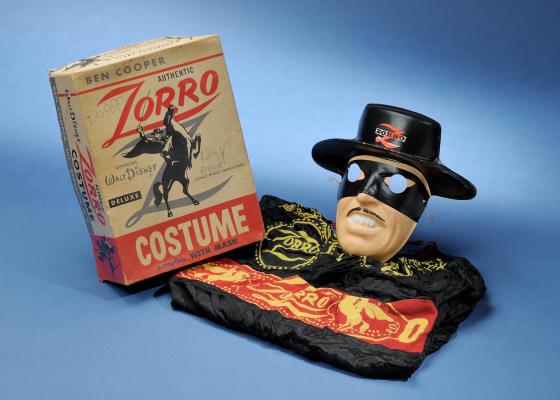
Whether you dress up as a scary monster, a daring superhero, or a popular rock star, wearing a costume is one of the most enjoyable parts of Halloween. Did you know that this popular tradition has its beginnings in ancient Samhain festivals and was originally intended as a means of protection?
Not only was Samhain a celebration of the harvest, but the Celts believed it marked the time when the veil between the living and the dead was at its thinnest. The easing of the boundary between the two worlds allowed ghosts to roam the earth freely. To protect themselves against vengeful spirits, people rubbed ash from the bonfires onto their faces. These “disguises” allowed people to pass as one of the dark spirits and walk around unharmed.
Over time this custom developed into the tradition of wearing masks, which gave way to wearing costumes. Today, people of all ages enjoy dressing up for Halloween. In fact, the custom is so popular, many Americans even buy costumes for their pets.
What about trick-or-treating?
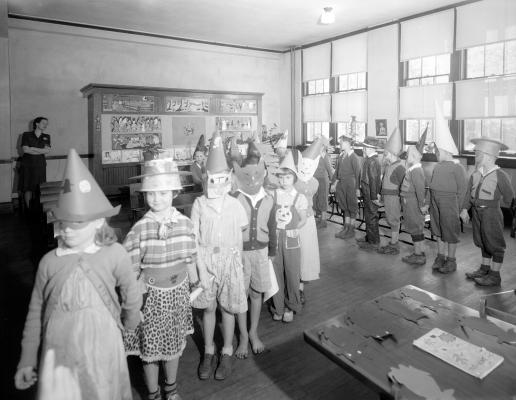
It’s nearly impossible to talk about Halloween without mentioning trick-or-treating. It may well be the quintessential Halloween custom, if not the tastiest. The origins of the phrase “Trick or treat” are unclear, but its key elements—going door to door and asking for treats—appear to derive from the medieval practice of souling.
Souling began in England and Ireland and was part of the Christian ritual of All Hallow’s Eve and All Saints Day. Poor people (often children) travelled door to door, singing or praying for the souls of the household’s dead relatives in exchange for soul cakes. These baked goods were small, round cakes marked with a cross. Eventually soul cakes gave way to candy wrappers, but the notion of going door to door and receiving treats remains an integral aspect of the holiday.
It wasn’t until the arrival of large numbers of Irish immigrants in the 19th century, that Halloween became widely celebrated across America. These new citizens brought traditions with them from their homeland that took root and spread across the country. By the early 20th century, Halloween had become more of a communal gathering, and less of a religious event. The holiday was often marked by parades and town-wide parties.
In parts of the country, however, October 31 became known as Mischief Night. Young people engaged in activities ranging from harmless pranks to outright vandalism. In the 1930s, civic leaders began encouraging children to engage in organized, community-based trick-or-treating, as an alternative to the more destructive elements of Halloween. Perhaps this transition from a night of playing pranks to a night of asking for sweets gave rise to the expression “Trick or treat.”
Although trick-or-treating was curtailed during World War II due to sugar rationing, the custom saw a dramatic return to popularity during the post-war years. With the growth of new suburbs, it became even easier for children to dress up in costume, go door-to-door, and ask their neighbors for candy. While there are still occurrences of Mischief Night pranks taking place across the country, today most families celebrate Halloween by trick-or-treating.
Confectionery companies quickly capitalized on the lucrative opportunity, launching national advertising campaigns specifically aimed at Halloween. And their efforts have certainly paid off. Americans spend between $3 and $4 billion on Halloween candy each year.
How do jack-o’-lanterns relate to Halloween?
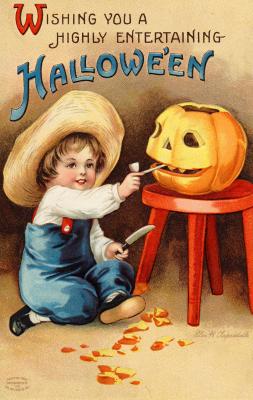
Carved pumpkins are one of Halloween’s most recognizable decorations, a sign that the holiday isn’t far away. Although the custom dates back centuries, it originated with an entirely different vegetable—turnips.
The practice derives from 17th-century Irish folk tales featuring a cunning character known as Stingy Jack. According to the legends, Jack managed to trap the devil. To receive his freedom, the devil had to promise that Jack would not go to hell when he died. Unfortunately for Jack, he was also denied entrance into heaven. His spirit was forced to roam the earth for eternity.
However, the devil did give Jack a burning coal to light his way in the darkness, which Jack placed in a carved-out turnip. Over time, his ghostly figure became known as Jack of Lantern, or Jack-o’-Lantern.
In Ireland and other parts of Great Britain, carved turnips (and sometimes potatoes or beets) were placed in windows or on doorsteps to ward off the darks spirits that walked on All Hallow’s Eve. Irish immigrants brought this tradition to America, where pumpkins soon replaced turnips as the favorite choice for carving.
Now you know that Halloween is far more than a night of spooky fun. It’s a holiday steeped in history, myth, and surprising traditions that continue to evolve each year. However you choose to celebrate, here’s hoping your Halloween is filled with few tricks and plenty of treats.