
Some of the resources used to craft the narrative videos seen in the museum’s Answering the Call Exhibit are found below.
Spanish American War

A Buffalo Soldier in Cuba is based on the memoir of Frank Pullen, from Enfield in Halifax County who was in the 25th Infantry Regiment, US Army and was sent to Cuba in 1898. Additional information on African American soldiers in the Spanish American war is found in this 1899 book, History of Negro Soldiers in the Spanish-American War, and Other Items of Interest, by Edward A. Johnson.
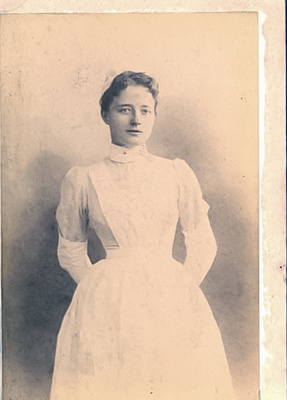
One of Six: Nursing on the Relief is based on the experiences of several nurses recruited to serve in the Spanish American war, including North Carolinian Lucy Ashby Sharp. This article relates the experiences of Relief nurses as well. An image of Sharp is available here.

From Greensboro to the Philippines is based on the life of Guilford County native David Gilmer, who was an officer in the North Carolina 3rd Volunteer Regiment, before joining the US Army, 49th Regiment Volunteer Infantry, who served in the Philippines. Eventually returning to Greensboro, he became a minister who advocated on behalf of African Americans’ civil rights.
World War I
585 Days, If You’re Lucky is based in part on the book by Jackson R. Marshall, III, Memories of World War I: North Carolina Doughboys on the Western Front, Division of Archives and History, North Carolina Department of Natural Resources (1998), which includes oral histories from NC WWI Veterans.
Viewing available below.
Other sources include:
- State Archives of North Carolina and State Library of North Carolina, World War I Digital Collections: https://digital.ncdcr.gov/digital/custom/wwi.
• University Libraries, University of North Carolina at Chapel Hill, Documenting the American South, “North Carolinians and the Great War”: docsouth.unc.edu/wwi/homeintro.html.
• Appalachian State University, North Carolina Nurses who served in World War I: nursinghistory.appstate.edu/nc-nurses-who-served-wwi.
• Appalachian State University, Biographies, “Madelon ‘Glory’ Battle Hancock”: nursinghistory.appstate.edu/biographies/madelon-glory-battle-hancock.
World War II
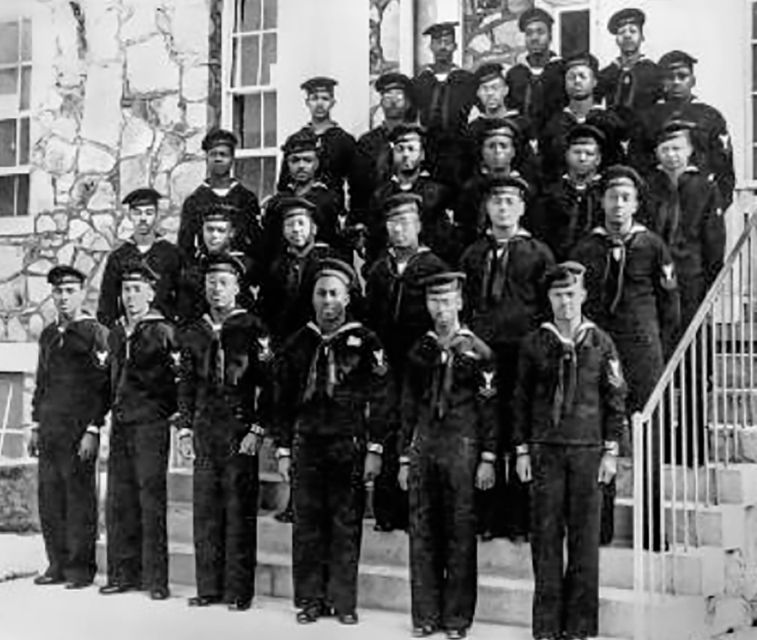
Image courtesy of the North Carolina Museum of History.
Making Music, Creating Change is based on the B1 Band, which served at UNC Chapel Hill, during World War II. This all-Black Navy unit, made up mostly of North Carolinian musicians, was the first unit in the US Navy to provide African Americans with ranks above that of messmen.
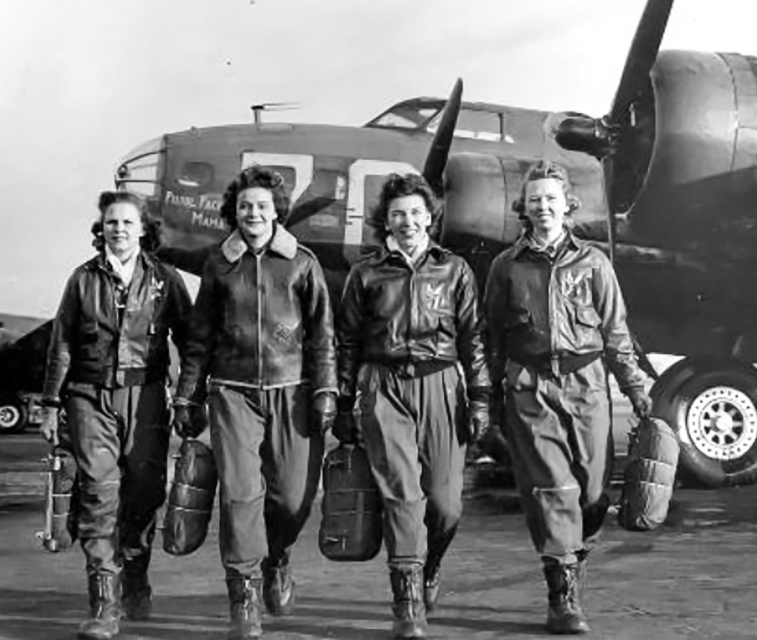
Image courtesy of the US Air Force.
WASPs Fly is based on the memoirs of several women, including North Carolinians Kate Adams and Eleanor Elaine Thompson Wortz. The Women Airforce Service Pilots (WASP) program provided training to women to become pilots stationed to military bases around the United States. They flew transport planes and worked as test pilots.
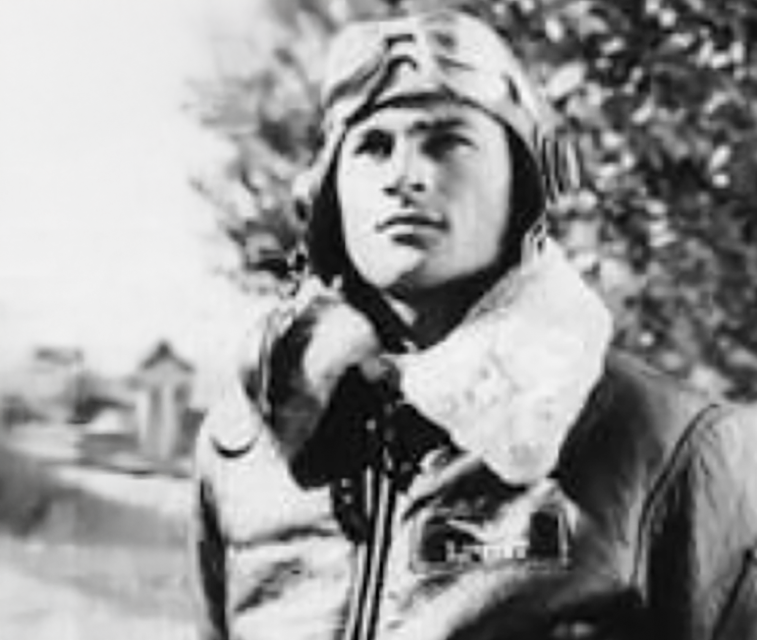
Image courtesy Commander Thomas Oxendine, USN (Ret.)
American Indian, American Aviator is based on the oral histories of Thomas Oxendine, a member of the Lumbee tribe and the first American Indian commissioned as a Naval Aviator. He was awarded the Distinguished Flying Cross for his service during the war.
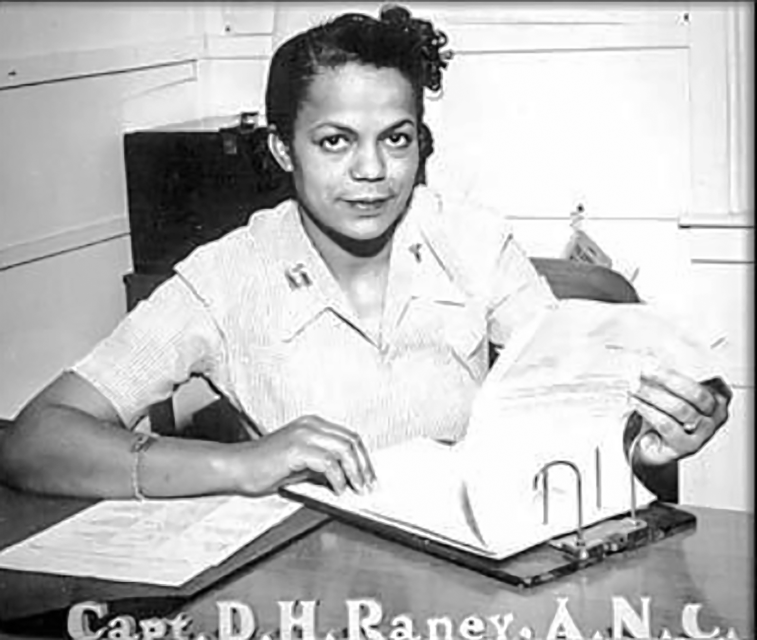
Firsts in Nursing is based on the life of Della Raney, the first African American to be commissioned as a second lieutenant in the US Army Nurse Corps (ANC). She trained at Lincoln Hospital in Durham and advocated for the required membership in the American Red Cross, usually denied to Black nurses. As a first lieutenant, Raney led the first five African American nurses assigned to the Tuskegee Army Airfield. She was the first African American appointed as a Chief Nurse in the ANC.
D-Day Plus 1 is based on the oral history of North Carolinian Hugh Blair Cherry who was drafted and served during World War II in the US Army's 2nd Division. The US Army 2nd Division landed on Omaha Beach in Normandy, on June 7, 1944, D-Day Plus 1.
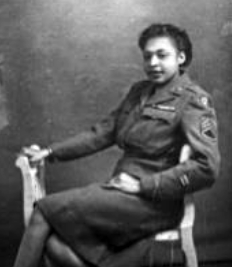
No Mail, Low Morale is based on oral histories of Millie Dunn Veasey, a North Carolinian who served in segregated African American units of the US Army Women’s Army Auxiliary Corps (WAAC) which became the Women’s Army Corp (WAC). She was a member of the 6888 Central Postal Directory Battalion, the only all Black WAC unit to be deployed overseas during the war. Image Courtesy of the State Archives of North Carolina.