
The first counties in North Carolina were established in the 1600s when colonists arrived on our shores. As the European population grew, the need for localized governments led to the creation of more counties. The last two counties were established in 1911, making the count an even 100. The names of our counties are as varied and unique as the people of North Carolina.
This 10-part series is a quick history behind the name origins of our counties in alphabetical order. All the previous entries can all be found on the North Carolina Museum of History blog page.
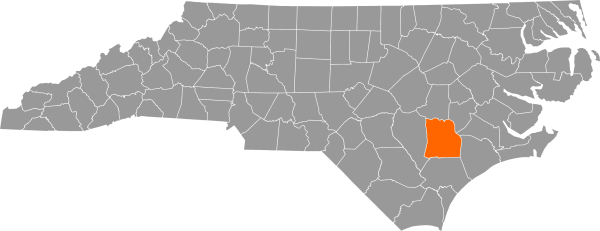
Duplin County was formed in 1750 from the northern part of New Hanover County. It is named for Sir Thomas Hay, Lord Duplin (1710–1787). Today, Duplin County is a leader in agriculture. The county produces poultry, pork, corn, and sweet potatoes, among other crops. It is also home to North Carolina’s oldest winery.
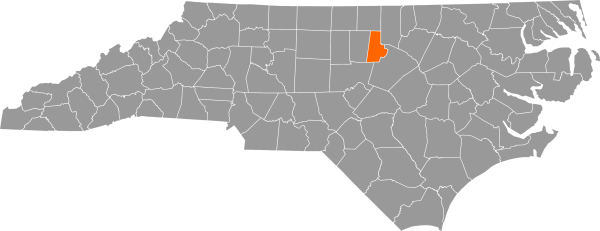
Durham County was formed in 1881 from neighboring Orange and Wake Counties. It is named for the town of Durham, which itself was named for Dr. Bartlett Durham (1824–1858), a physician, state legislator, and entrepreneur. Durham transferred four acres of his own land to the NC Railroad Company for a station. Today, Durham is home to the Triple-A baseball team the Durham Bulls. A portion of Research Triangle Park—a center for science, tech, and research companies—is also located here.
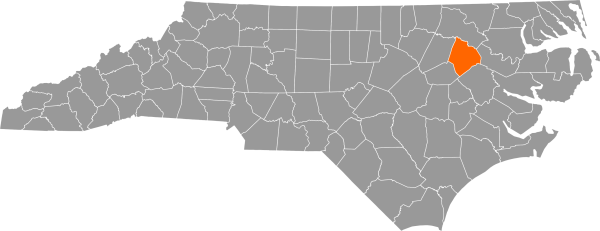
Edgecombe County was formed from Bertie County in 1741 and named for Richard Edgcumbe, First Baron Edgcumbe (1680–1758). The historic town of Princeville is in Edgecombe County. In 1885 it became the state’s first town founded by African Americans.
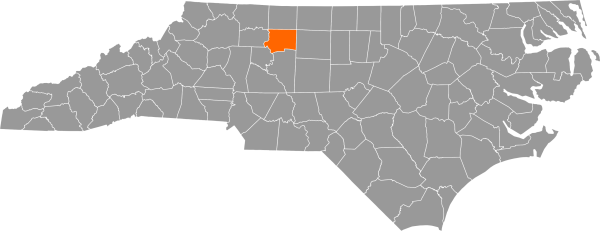
Forsyth County was formed in 1849, when the legislature created it out of Stokes County. It was named for Colonel Benjamin Forsyth (circa 1760–1814), a North Carolinian who fought and died at Odelltown, Canada, in the War of 1812. Old Salem Museums and Gardens is a historic site in present day Winston-Salem, the county seat. The museum preserves what 18th- and 19th-century life was like for Moravians (a Protestant denomination) and Black and Indigenous residents.
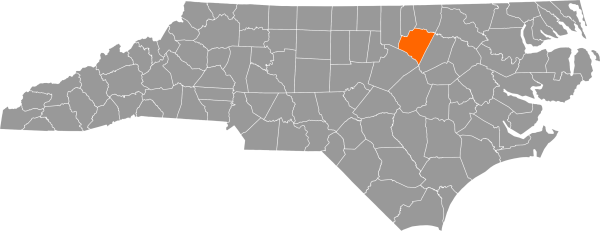
Franklin County was formed when Bute County (first formed in 1764) was divided into Franklin and Warren Counties, then ceased to exist. It was named for founding father Benjamin Franklin (1706–1790), even though Franklin never visited North Carolina. Louisburg College, the oldest two-year college in the nation, was initially chartered as Franklin Academy in the county seat of Louisburg in 1787.
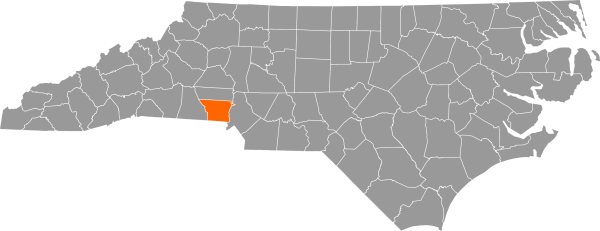
Gaston County was formed in 1846 and named for William Gaston (1778–1844). Gaston served in the US House of Representatives and was later a North Carolina Supreme Court justice. He also wrote the lyrics to our state song, “The Old North State.” The county became a strong textile producer by the late 19th century. The Cotton Ginning Days Festival held every October celebrates its history. The American Folklife Center at the Library of Congress celebrated the festival in their Local Legacies project in 2000. Archived material from the festival is now featured in the center’s permanent collection.
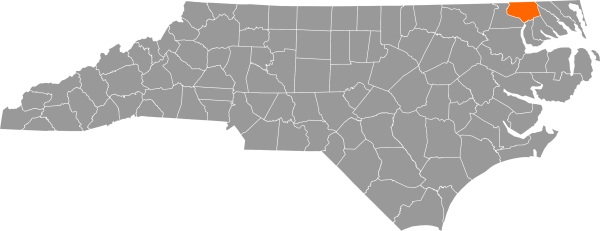
Gates County was formed in 1779 from Chowan, Hertford, and Perquimans Counties. The name honors General Horatio Gates (1727–1806), commander of the Continental Army in the Battle of Saratoga in 1777. Today, a part of the Great Dismal Swamp National Wildlife Refuge lies in Gates County, providing a home for diverse species of animals and plants. In the past, this area served as a refuge for free people of color, those escaping slavery, and Indigenous people, from the 17th century through the Civil War.
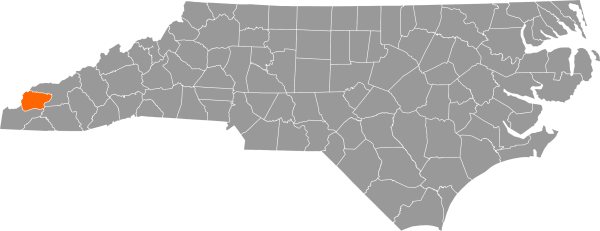
Graham County was formed in 1872 from Cherokee County. It is named for William A. Graham (1804–1875), a United States senator (1840-1843), North Carolina governor (1845-1849), US Secretary of the Navy (1850-1852), and Confederate States senator (1864-1865). Graham was also the Whig Party nominee for US vice president in 1852. Graham County is home to Fontana Dam, the tallest dam in the eastern US. Joyce Kilmer Memorial Forest, an old-growth forest home to 400-year-old trees, is also in Graham County.
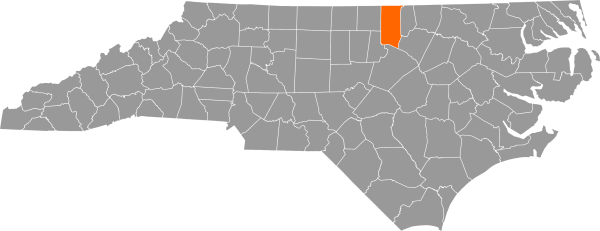
Granville County was created from Edgecombe County in 1746. It was named after Lord John Carteret, Second Earl of Granville (1719–1763), who served as prime minister under King George II. John Penn (1741–1788), one of the three North Carolinians to sign the Declaration of Independence, lived in Granville. He, along with other local citizens, were vocal about their opposition to British rule. As a result, the county became a hub for the independence campaign.
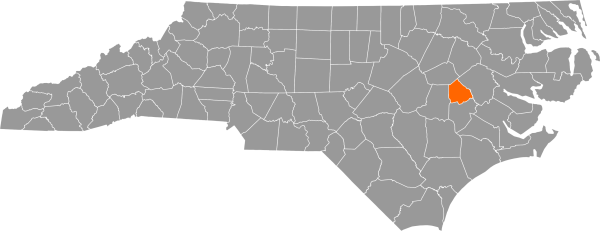
Greene County was formed in 1791 from Dobbs County, which was divided into Lenoir and Glasgow. The county’s initial name, Glasgow, was in honor of North Carolina’s first Secretary of State, James Glasgow. However, Glasgow was indicted for issuing fraudulent land grants. In 1799 the residents of the county renamed it to honor Major General Nathanael Greene (1742–1786). Greene was a trusted confidant of George Washington and leader of the Continental Army against the British in the Carolinas.
In the next part of Naming North Carolina, we’ll discuss one of the newest counties in North Carolina, a county named for the first person to publicly read the Declaration of Independence in the state, and three different counties named for earls.
Sources: