

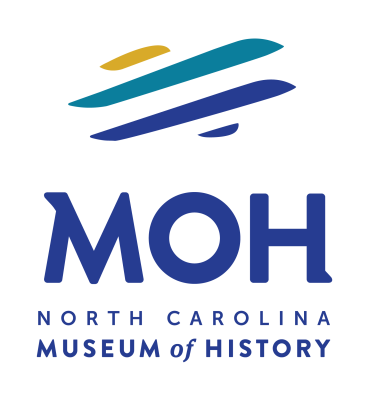
The North Carolina Museum of History is proud to present a new brand identity as we step into our next chapter. We’ve developed a refreshed logo, an updated color palette, and a unified visual identity. These visual assets will help improve digital accessibility by using clearer contrasts and more readable designs. You’ll begin to see them across our website, programs, and outreach in the coming weeks.
At the center of the updated logo is the Wright Flyer.
If you’ve visited the museum, you’ve probably seen one of our flyers. You walk in, look up, and there it is. It shows up in photos, kids remember it from their field trips, and many people describe the museum as “the one
with the flyers.”
When we started talking about rebranding, that came up again and again.
Graphic designers Karen Essic and Darryl Ketcham led the logo work under graphic design supervisor Obelia Exum. They’ve all been at the museum for more than a decade. They’ve seen thousands of visitors come through the doors, talked with guests in the exhibits, and heard what people remember after a visit. Ketcham was also here when the last logo was created, so he’s seen how that identity has been used and recognized over time. With this new visual identity, the goal wasn’t to throw that out, but to build on it in a way that keeps that history intact.
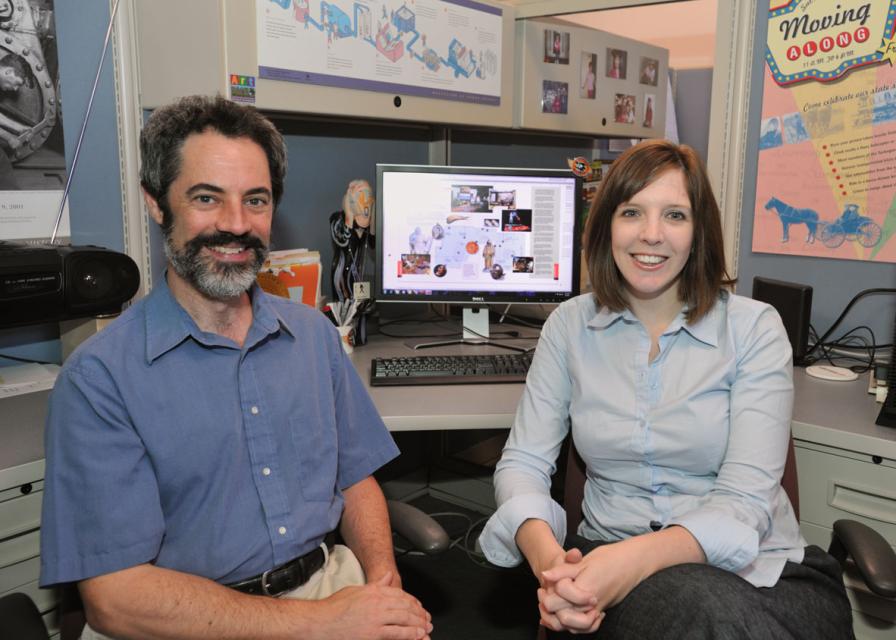
They kept coming back to the Wright Flyer. As Ketcham put it, “Millions of visitors passed under the flyer display in the museum lobby. It was a big part of who we are. It took time for that icon to become iconic, and for people to associate it with us.”
Working from that, the team refined what was already there. They adjusted the shape, simplified the form, and tested how it would hold up in different settings. The goal was to keep what people recognize while making sure it reads clearly wherever the museum shows up now. The color palette follows that same approach, pulling from North Carolina’s beautiful landscape, with rich tones inspired by the mountains, the Sandhills, and the coast.
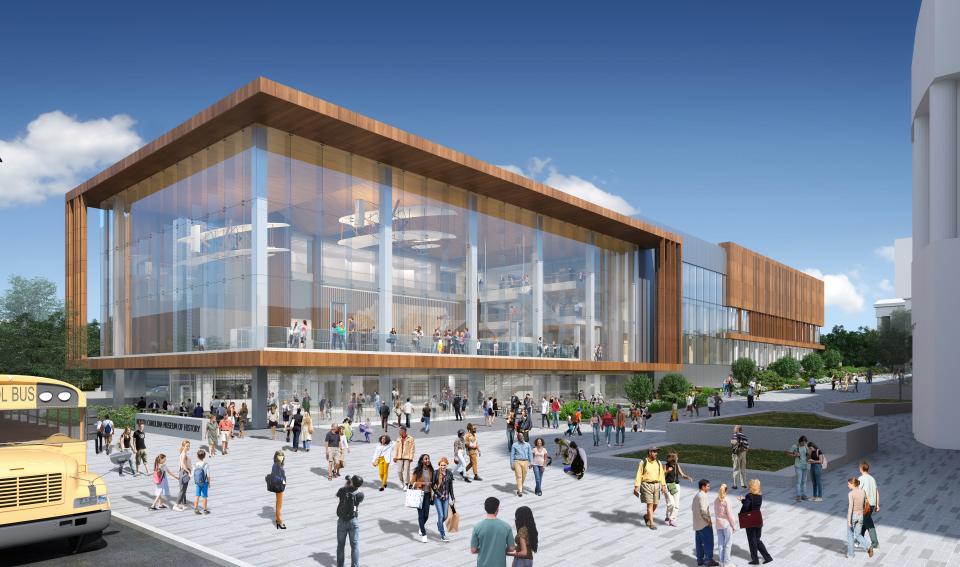
The rebrand comes at a time of change for the museum. The building in downtown Raleigh is currently closed for renovation, one that will expand the museum by 40,000 square feet. The renovation adds 25 percent more gallery space, which allows for additional artifacts and stories from across North Carolina to be shared. Updates include an entrance on the north side of Bicentennial Plaza, improved climate-control systems to better protect the collection, and major infrastructure improvements, such as leak repairs and a refurbished freight elevator. The renovation will also add classrooms, community spaces, and a new restaurant. While that work is underway, the museum continues to serve the state through exhibitions, educational programs, and partnerships across North Carolina.
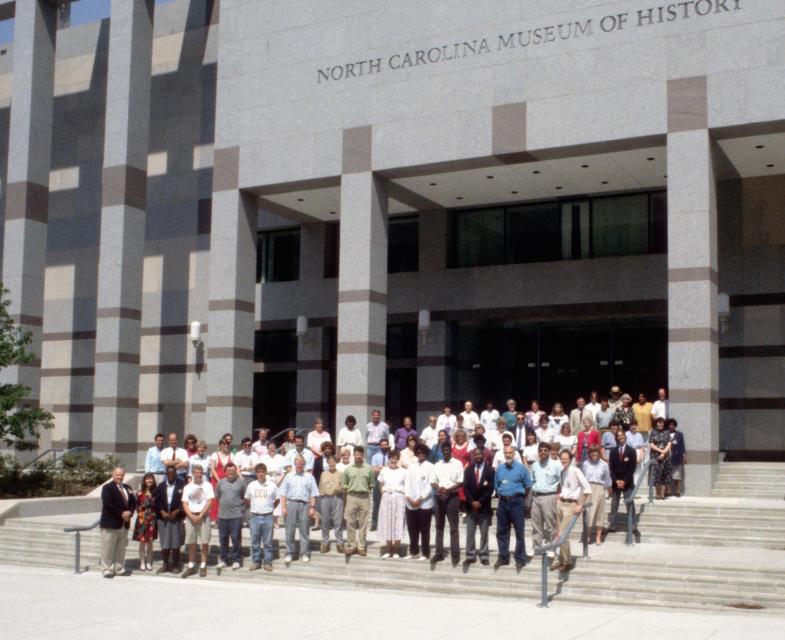
At the center of the museum’s work is its collection of more than 150,000 artifacts. Each one carries a story tied to a real person, helping connect North Carolina’s past to the present.
The museum is changing. But as Ketcham said, “We’re still who we are at our core . . . our soul, our hearts, we’re still the same.”
That’s what this rebranding reflects. We’re still doing the same work: collecting, preserving, and sharing the stories that shape North Carolina. We’re still connecting people with the past through real objects and real experiences.
The new brand doesn’t change who we are: It helps us show it more clearly.