
We’re Refreshing Our “In the Classroom” Section to Make It Even Better for You!
The North Carolina Museum of History is working behind the scenes to enhance your experience and make it easier than ever to access the trusted educational resources educators know and love. Check back soon for the new and improved site—we can’t wait to share it with you!
In the meantime, enjoy program highlights below!
American Indians in North Carolina: Past and Present
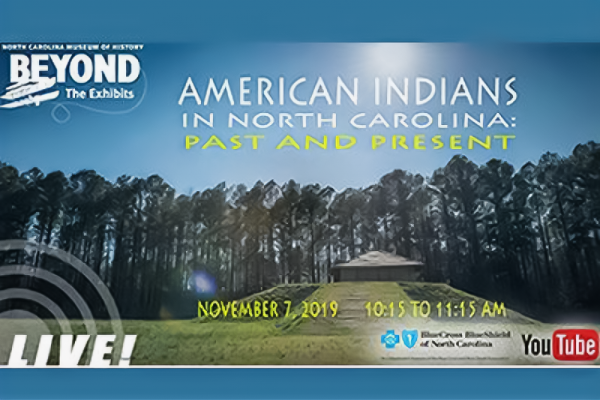
In this archived LIVE!, we explored the 1,000-year-old Town Creek Indian Mound, located in Montgomery County. Who were the people who lived here, and what were their lives like? Why did they leave the region, and where did they go? How are they represented in our state today? Learn the answers to these questions and more!
American Indian Heritage Celebration Education Day
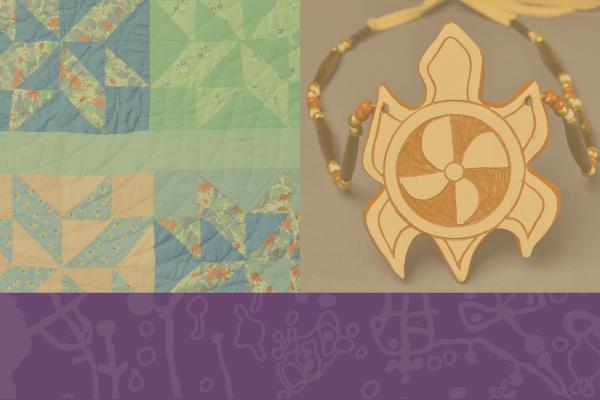
Enjoy memorable and impactful sessions showcasing a rich variety of music and dance performances, hands-on craft demonstrations, and presenter sessions from past Cultural Education Days held in conjunction with the American Indian Heritage Celebration. Streamed in one convenient package, this event highlights diverse traditions, art forms, and cultural perspectives. This compilation celebrates the vibrant and transformative experiences of Cultural Education Days. Watch the stream anytime or all the time!
Turtle Pouch Craft Page from our Crafting Carolina Educator Notebook
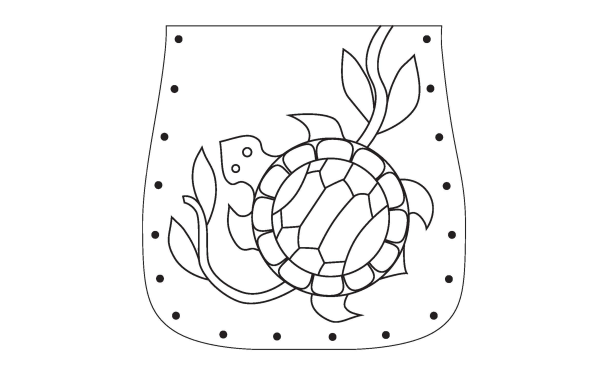
The Haliwa-Saponi, along with other Southeastern Indian tribes, have used animal skins to make storage pouches. Sometimes the hair or fur is scraped off the skin, and sometimes it is left on. Fur and skin pouches have been created for spiritual and for everyday use. Once, the way a person's pouch looked could tell you what tribe they belonged to and their place in that tribe. Now the decorations often show a person's personal tastes or beliefs. Pouches have been decorated using clay, mineral and vegetable mixes as paints, animal bones, claws, feathers, quills, shells, hair, and teeth. Today, people often use fabric or acrylic paints along with seed beads. This design was created in 2008 by Senora Lynch, a Haliwa-Saponi artist. She is a potter, and turtles (along with birds, corn, and dogwood blossoms) often turn up in her work.
Tar Heel Junior Historian Association
Authorized by the General Assembly in 1953, the Tar Heel Junior Historian Association is made up of FREE history clubs located all around the state. Advisers can register as a class, as an extracurricular club, as a homeschool family, or even as a group meeting at a historic site—we accept clubs of any shape and size!
Perks include:
- A class set of our twice-yearly publication, the award-winning Tar Heel Junior Historian magazine, for you and each of your students (limitations apply).
- Access to a digital classroom with lesson plans, resources, and discussion boards for advisers.
You’ll find a lot to love about the Tar Heel Junior Historian Association, so what are you waiting for? Join the thousands of students and advisers who are discovering North Carolina history, and form a club!
We Are Water Protectors Story Guide
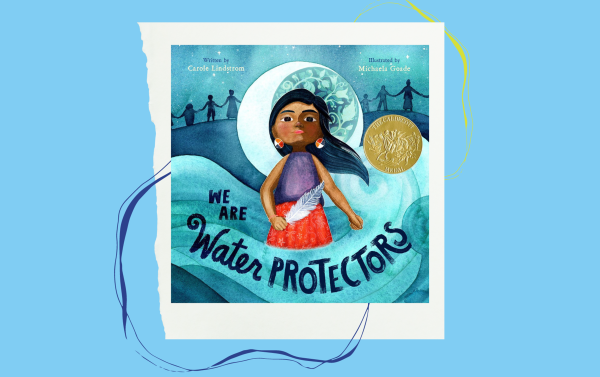
Our Carolina Cover-to-Cover program highlight books and story guides that connect to topics in North Carolina history. Each story guide will provide a historical overview to provide context for the book’s story, a list of vocabulary words and terms, discussion questions to explore, and activities that students can complete.
We Are Water Protectors is told from the perspective of an American Indian child; this bold and lyrical picture book written by Ojibwe/Métis author Carole Lindstrom and illustrated by Tlingit artist Michaela Goade is a powerful call to action to defend Earth’s natural resources—inspired by the Dakota Access Pipeline protests and similar movements led by Indigenous tribes all across North America.