
The first counties in North Carolina were established in the 1600s when colonists arrived on our shores. As the European population grew, the need for localized governments led to the creation of more counties. The last two counties were established in 1911, making the count an even 100. The names of our counties are as varied and unique as the people of North Carolina.
This 10-part series is a quick history behind the name origins of our counties in alphabetical order. The first 10 counties and second 10 counties were covered in previous blogs.
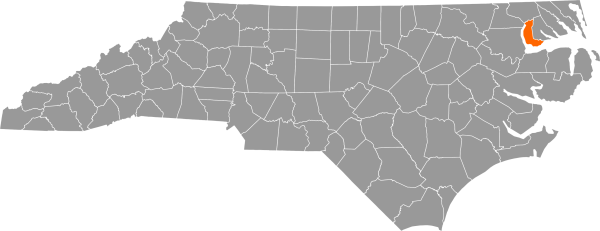
Chowan County, formed in 1668, was originally called Shaftesbury Precinct of Albemarle County. In 1681 it was renamed Chowan Precinct after the Chowan River, which was itself named for the Chowanoac Indians that inhabited the region. The county seat of Edenton served as the capital of the colony of North Carolina from 1722 to 1743. It is also the location of the 1774 Edenton Resolves, sometimes referred to as the Edenton Tea Party. Elite Edenton women resolved not to drink British tea or buy British cloth to protest taxation without representation. It was one of the earliest recorded acts of organized women’s protest in American history.
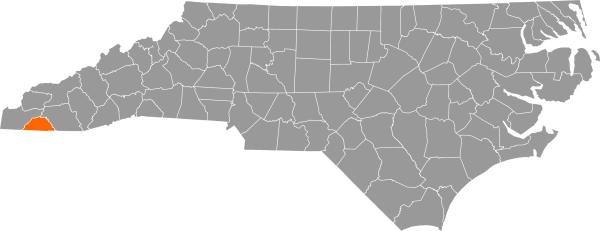
Clay County was formed in 1861 out of neighboring Cherokee County. It was named to honor Henry Clay (1777–1852), a US Senator and statesman from Kentucky. Clay, known as the “Great Compromiser,” was a revered political leader. Surprisingly, he had no ties to North Carolina outside of his presidential run. Clay County is home to the Brasstown Carvers, based at the John C. Campbell Folk School. The artists showcase a traditional Appalachian craft with hand-carved wooden figures, primarily animals.
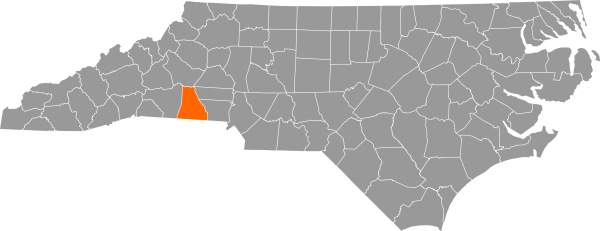
Cleveland County was formed from Rutherford and Lincoln Counties in 1841. It is named for Revolutionary War hero Colonel Benjamin Cleveland (1738–1806). Cleveland fought in the Battle of Kings Mountain. Here Patriot militia defeated Loyalist forces under the command of British Major Patrick Ferguson. This victory boosted Patriot morale and temporarily stalled British advances. Cleveland County is a hub for bluegrass music and is the birthplace of the legendary banjo musician Earl Scruggs.
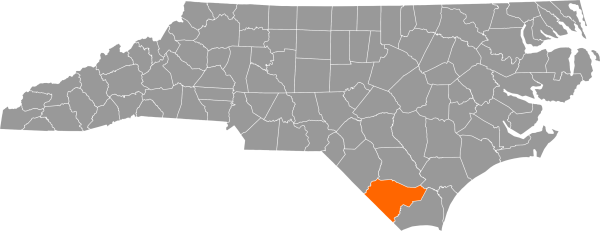
Columbus County was named for explorer Christopher Columbus (1451–1506). It was formed in 1808 from Bladen and Brunswick counties. It is the headquarters of the Waccamaw Siouan, one of eight state-recognized American Indian tribes in North Carolina. Lake Waccamaw is also in Columbus County. In 2023 a nearly 1,000-year-old canoe was discovered there. The canoe is currently undergoing conservation in the care of the Office of State Archaeology.
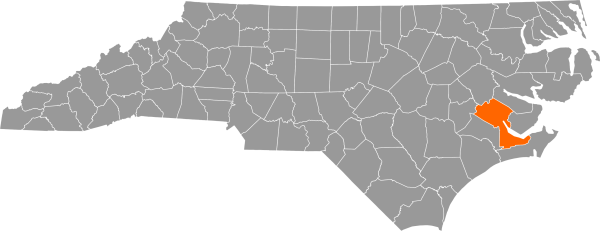
Craven County was formed in 1705 as Archdale Precinct of Bath County. In 1712 it was renamed for William Craven, First Earl of Craven (1606–1697). He is one of the original Lords Proprietors to whom King Charles II of England gave the land of “Carolina.” Tryon Palace, completed in 1770, is in New Bern, and was North Carolina’s first permanent capitol building. It served as the seat of colonial government, then the first state capital after independence.
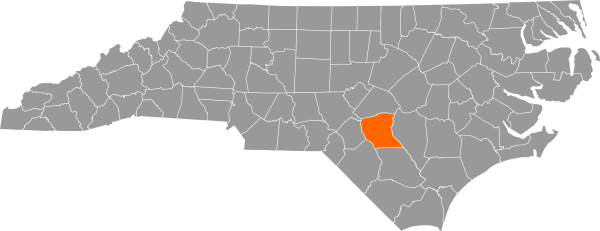
Cumberland County is named for Prince William Augustus, Duke of Cumberland (1721–1765), son of King George III of England. The county was formed in 1754 out of Bladen County. The original county seat was called Campbellton. In 1783 it was renamed Fayetteville to honor “America’s favorite fighting Frenchman,” the Marquis de Lafayette. The marquis served as a Major General in the Continental Army during the Revolutionary War.
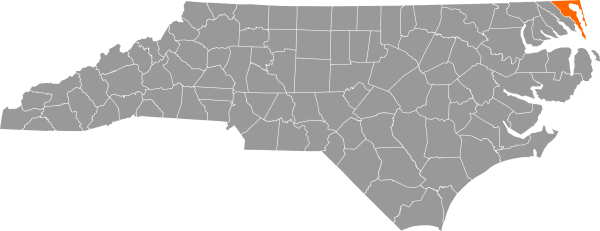
Currituck County was formed in 1668 as one of the four precincts of Albemarle County. The word Currituck likely comes from the Algonquian Indian language and means “land of the wild goose.” The coastal county became a seaport, attracting tradesman, shipping companies, and pirates. Today, the northern Outer Banks towns of Corolla and Carova Beach are best known for their herd of wild horses.
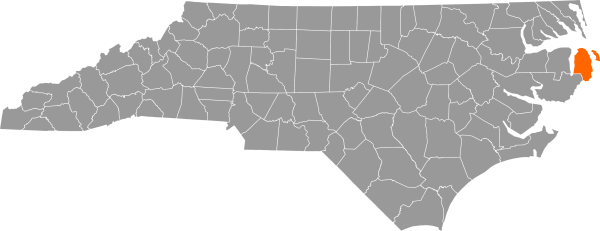
Dare County, one of only three counties in North Carolina named for a woman, was formed in 1870. It is named for Virginia Dare, the first person of English descent born in the Americas in 1587. Roanoke, her birthplace, is the site of the Lost Colony, the failed first attempt at permanent English Settlement in North America. The Wright Brothers tested gliders in Dare County. Their first powered flight was on December 17, 1903, near Kitty Hawk.
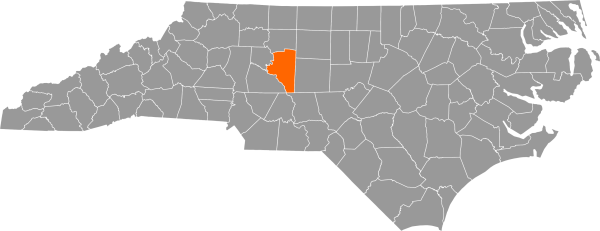
Davidson County was formed in 1822 from Rowan County. It is named for William Lee Davidson (1746–1781), a general in the Revolutionary War. Davidson died in 1781 at the Battle of Cowan’s Ford in Mecklenburg County. The county seat, Lexington, also has ties to the Revolutionary War. It is named for the Battle of Lexington, part of the 1775 Battles of Lexington and Concord in Massachusetts. These skirmishes marked the start of the war.
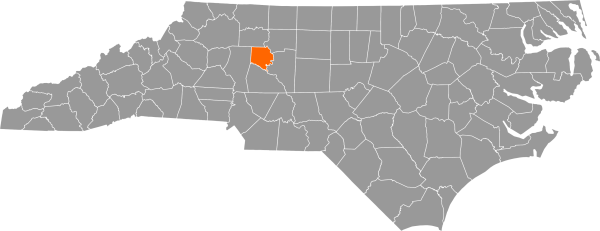
Davie County was formed in 1836 and is another county named for a Revolutionary War figure. William R. Davie (1756–1820) was a colonel in the war and North Carolina’s 10th governor from 1798 to 1799. Additionally, he introduced the bill that chartered the University of North Carolina in 1789. One of Davie County’s most famous former residents is frontiersman Daniel Boone, who moved to the area around 1752.
In part four of Naming North Carolina, we'll discuss counties named for a North Carolina Supreme Court Justice, a physician who gave land to our state, and a confidant of George Washington.
Sources:
Wright Brothers National Memorial