In 2026, America will commemorate 250 years since the signing of the Declaration of Independence and the development of a new nation dedicated to “life, liberty, and the pursuit of happiness.” In the years since, our country has undergone many changes, and faced many challenges. This commemoration offers us a unique opportunity to reflect upon our country’s founding ideals. As part of the Department of Natural and Cultural Resources’ America 250 initiative, the North Carolina Museum of History is developing programs, exhibitions, and resources that explore our state’s role in shaping the nation over the past 250 years.
American Revolution Artifacts in the North Carolina Museum of History Collection
What makes learning about history through museums unique? The artifacts!
Museums tell the stories of people who lived in the past in multiple ways. One way to tell these stories is by using artifacts—things that people made and used, things they held in their hands, or things that held great importance to them.
Currently, we’re remembering a time of great importance for our nation: our 250th birthday. But 1776 was a long time ago, and few things still survive from back then. So, we’re showing off these special objects that played a role in making our country and state.
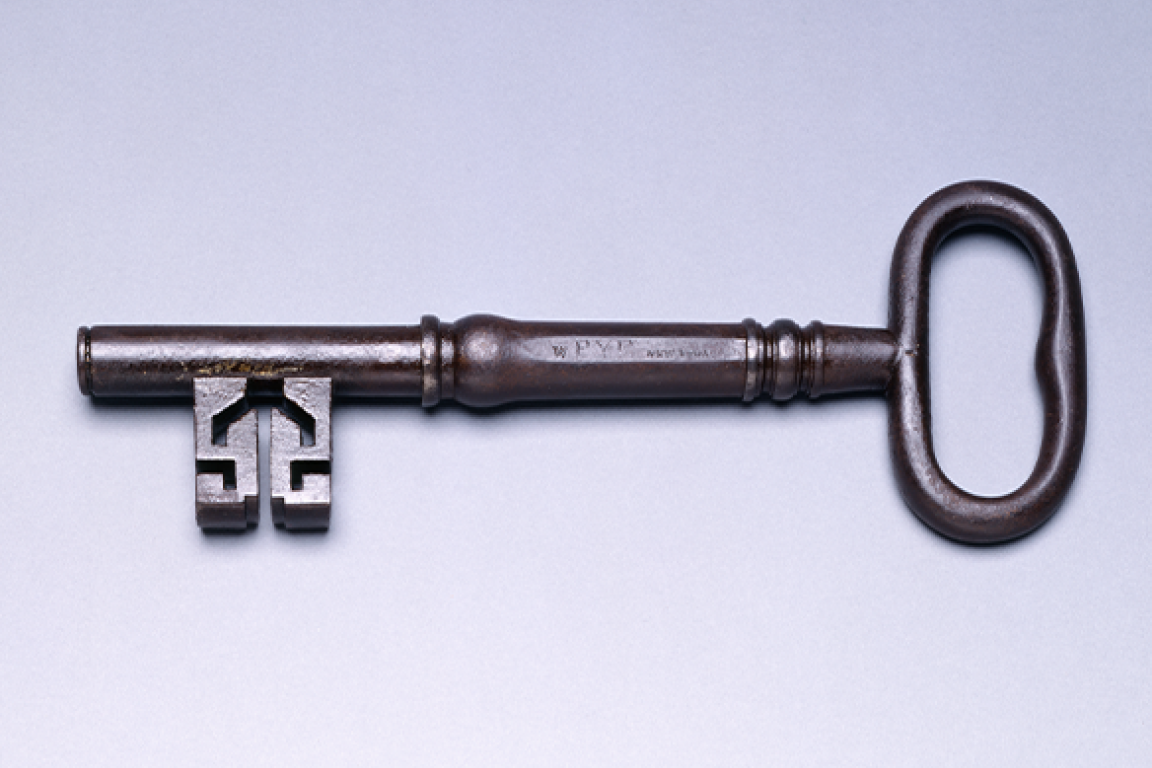
Key, circa 1770s
Artifact # 19XX.10.1
Why is this a revolutionary artifact? It may not look like much, but this object held the key (wink, wink) to making North Carolina “First in Freedom.” It opened the door to the building in Halifax where the Fourth Provincial Congress approved the Halifax Resolves on April 12, 1776. That document instructed the colony’s delegates to the Continental Congress in Philadelphia to vote for independence—making us the first colony to officially call for freedom from Great Britain.
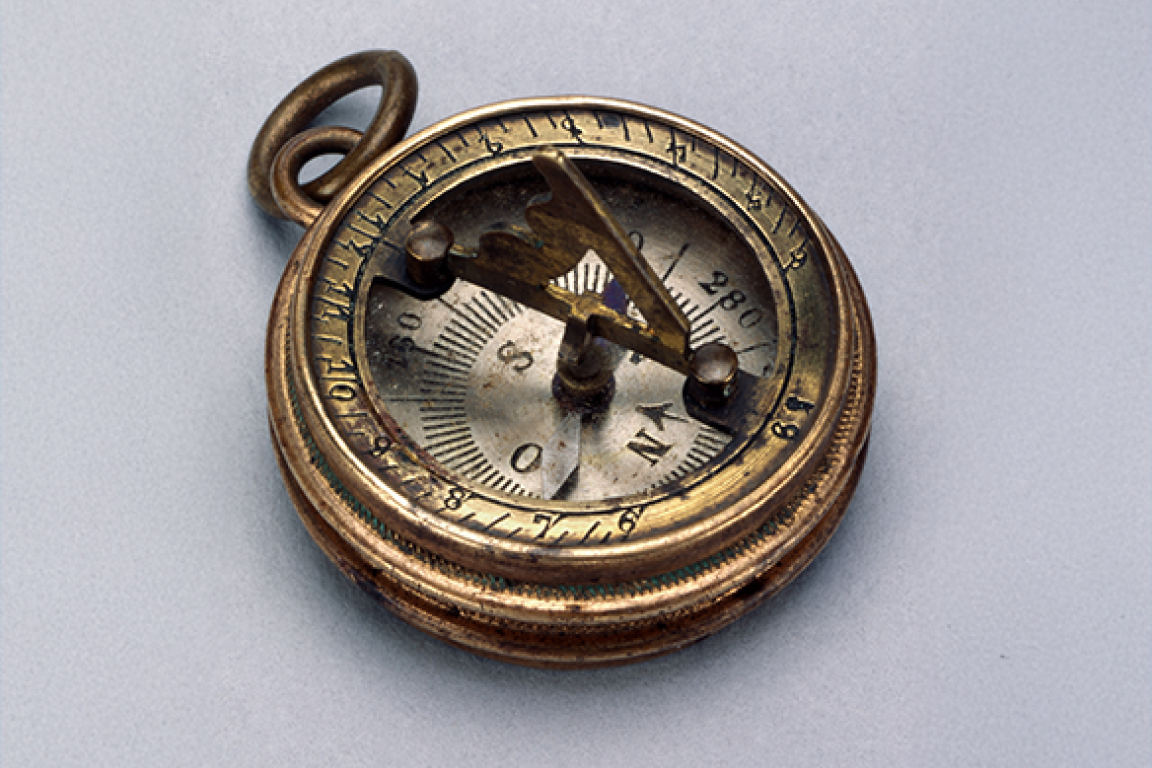
Pocket sundial with compass, circa 1770
Artifact # 1978.77.3
Do you know what this object is? It’s shaped like an old-fashioned pocket watch, but it is an even older way of telling time. When the compass is pointing to true north, the user lifts the foldable sundial (called a gnomon) upright and lines it up with the compass needle. Then the sun casts a shadow from that standing piece across the correct hour. (Numbers for the hours are engraved along the outer rim.) French naval officer Gabriel du Brutz, who later settled in Fayetteville, owned this sundial and had it with him during the Battle of Yorktown in 1781.
Plate, mid–1700s
Artifact # 1940.15.1
What does a broken plate have to do with a Revolutionary War battle? British officers often traveled and camped in relative luxury, with nice furniture—and even fancy dishes! Colonel Joseph McDowell from North Carolina reportedly took this plate from British major Patrick Ferguson’s baggage after Ferguson was killed during the Battle of Kings Mountain in 1780.
Powder horn, late 1770s
Artifact # 1914.43.1
Revolutionary War soldiers had to carry gunpowder for their muskets in a separate container to keep it safe, dry, and ready to load when needed. Many soldiers used a “powder horn” for this—and most of these were made from actual animal horns. (This example is from a cow.) Joel Lane—who sold the land used to found our state capital, Raleigh—carried this hand-carved powder horn during the war.
Military training manual, 1779
Artifact # 1995.57.1
This book, opened to its front page, is an example of the kind of training manuals used by soldiers in the Continental Army. During the 1700s, battles required soldiers to successfully march and fire in formation. So, soldiers drilled over and over to learn the complex moves and commands necessary. A period newspaper account of the 1776 Battle of Moores Creek Bridge (the first military action of the war in North Carolina) is pasted into the back of this manual.
Gloves, late 1770s
Artifact # 1914.51.2
Samuel Alexander reportedly wore these white deerskin gloves at the Battle of Ramsour’s Mill on June 20, 1780. The battle, in Lincoln County, was a confrontation between local Patriots and Loyalists. (Patriots welcomed the fight for independence from Great Britain, while Loyalists considered rebelling against the government treason.) Divisions among North Carolina’s backcountry colonists often led to neighbor-against-neighbor fighting during the Revolution. The Patriot victory at Ramsour’s Mill helped weaken local support for the Loyalist cause.
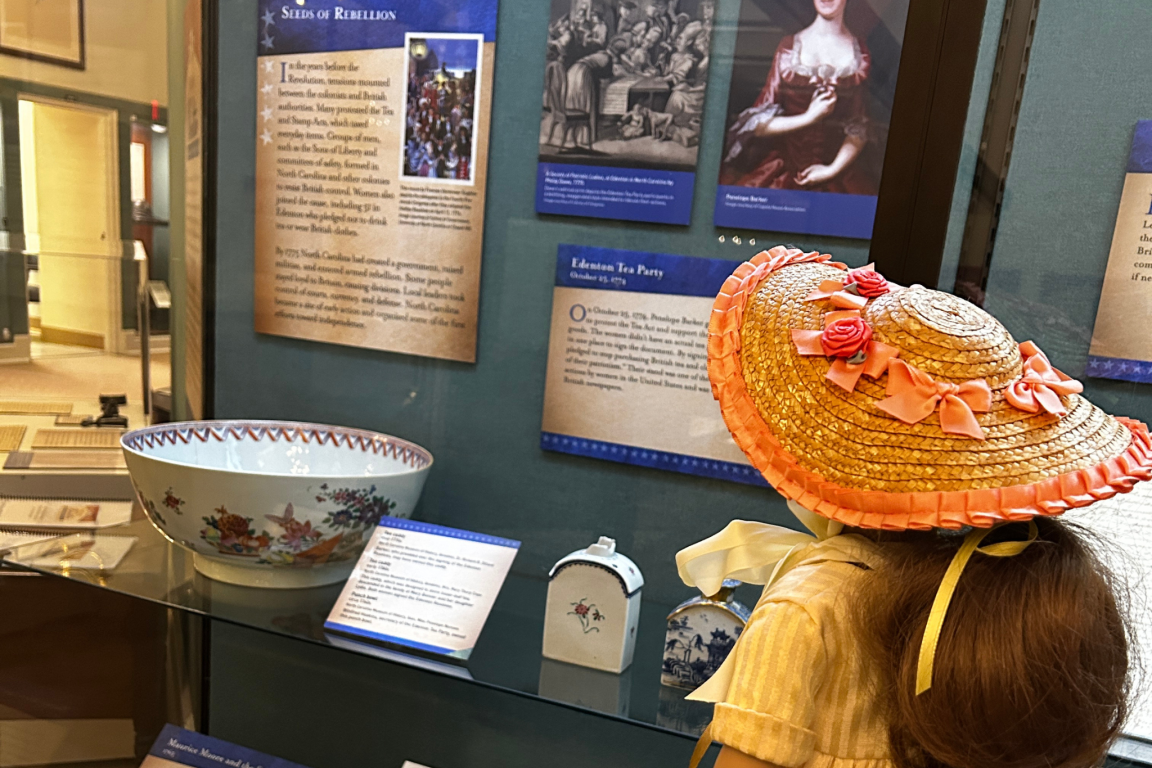
Tea caddies, circa 1774–1784
Artifact # 1914.187.1
Artifact # 2003.76.1
What are these objects, and what do they have to do with the Edenton Tea Party? Historians don’t believe that the 51 women who signed the 1774 Edenton Resolves gathered (or held a party) for the signing. But their pledge not to buy British tea and other goods was one of the earliest organized political actions by American women. These tea caddies—special containers used to store loose tea leaves—descended in the families of women (Penelope Barker, white caddy, and Mary and Lydia Bonner, blue caddy) who signed the Resolves.